
What will Art “Karts” and Lauren “Lolo” Sherwood eat on their 2,020-mile/3,250-km Yukon River expedition?
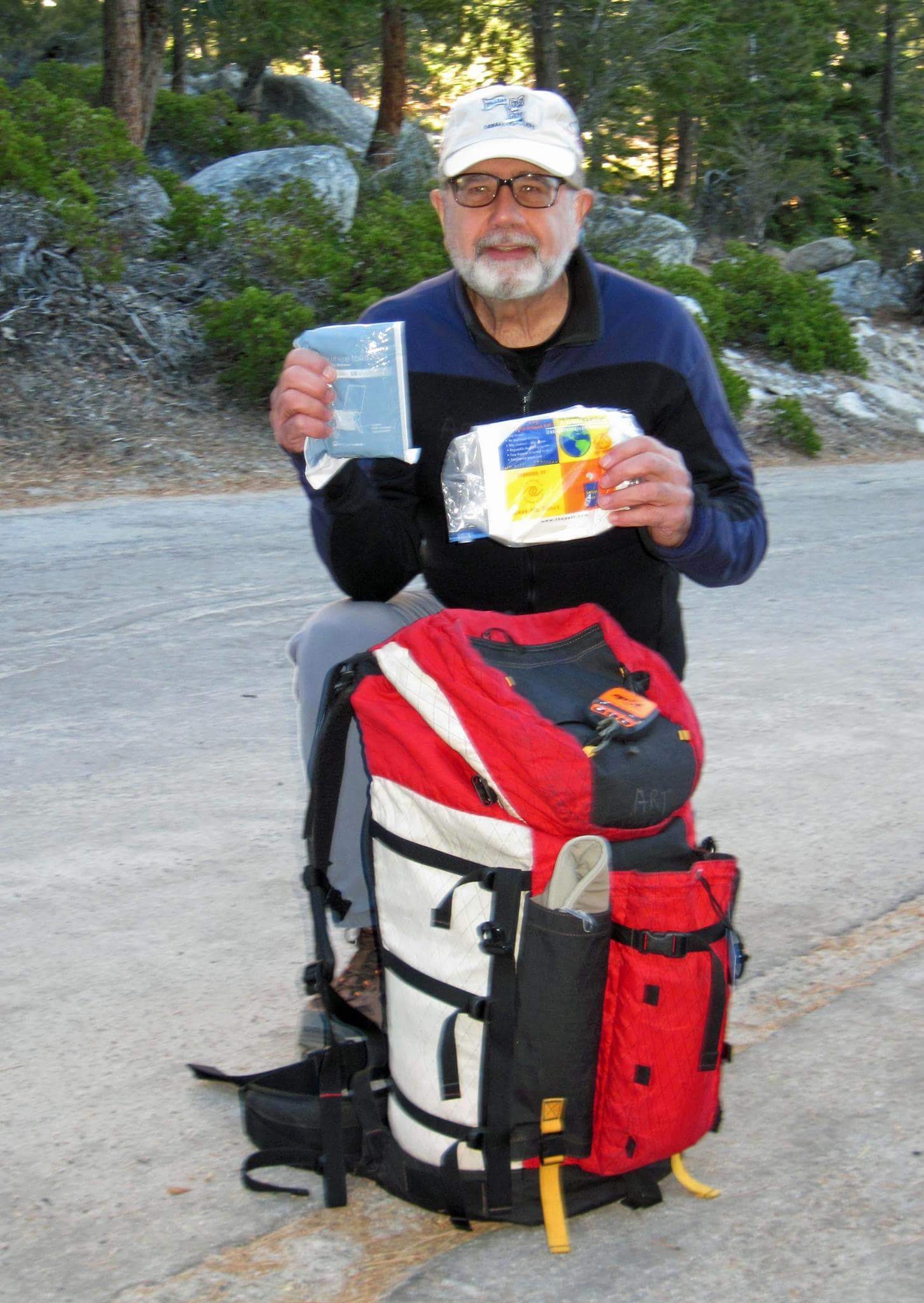
A better question might be how will they get their food? The team’s Yukon 2020™ logistics planning consists of several resupply activities that include in-town resupply, mail forwarding, fishing, and purchases from village residents. These are further broken down into logistical activity in the Canada and Alaska. Next to training, logistics planning is the most time consuming activity in this expedition’s preparation.
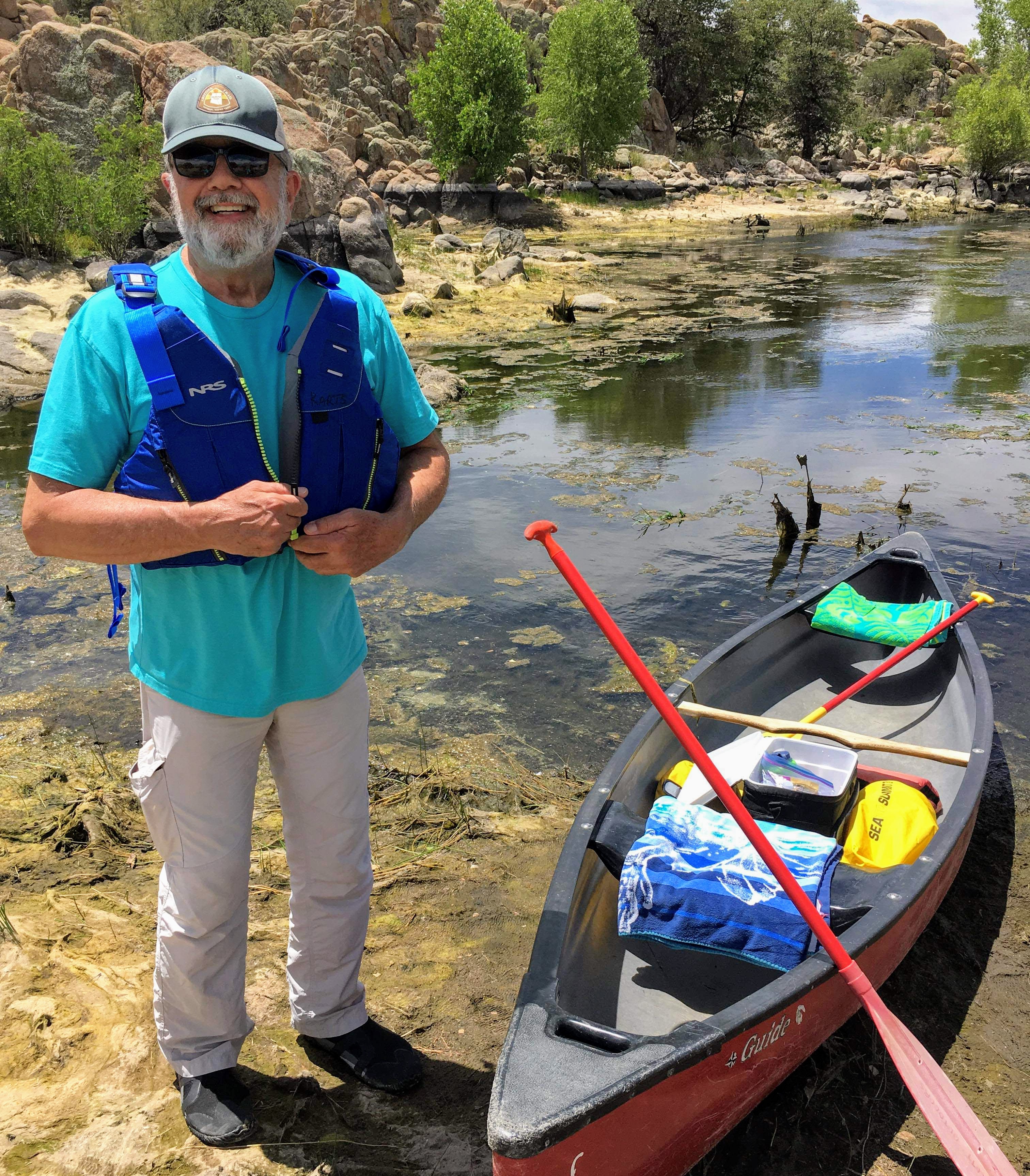
In the Yukon Territory of Canada, the team will make their initial outfitting in the territorial capital city of Whitehorse. Although a small city, Whitehorse is crucial to the team getting a good start to their epic expedition. The team chose Up North Adventures as their outfitter of choice and for their canoe (see photo) fabrication with NovaCraft Canoe, bulk expedition supplies such as paddles, cooking supplies, cooler, and water-tight container systems.
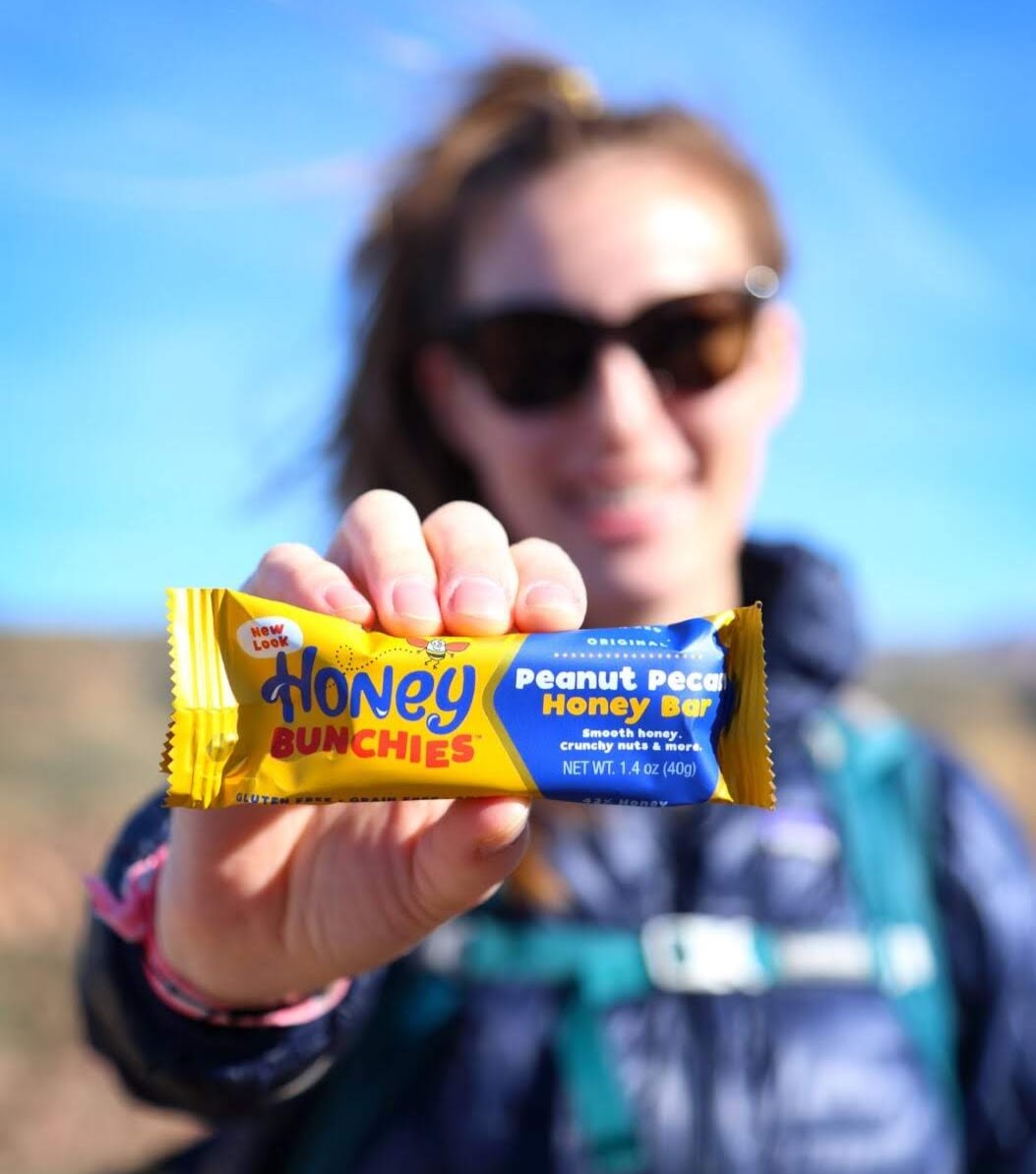
Fresh groceries and dry goods will be purchased in the Whitehorse grocery store. This is the beginning of the very expensive river resupply process. The team is not bringing bulk food into Canada due to restrictions upon entry and because of baggage limitations. The exceptions are the meals and energy bars.
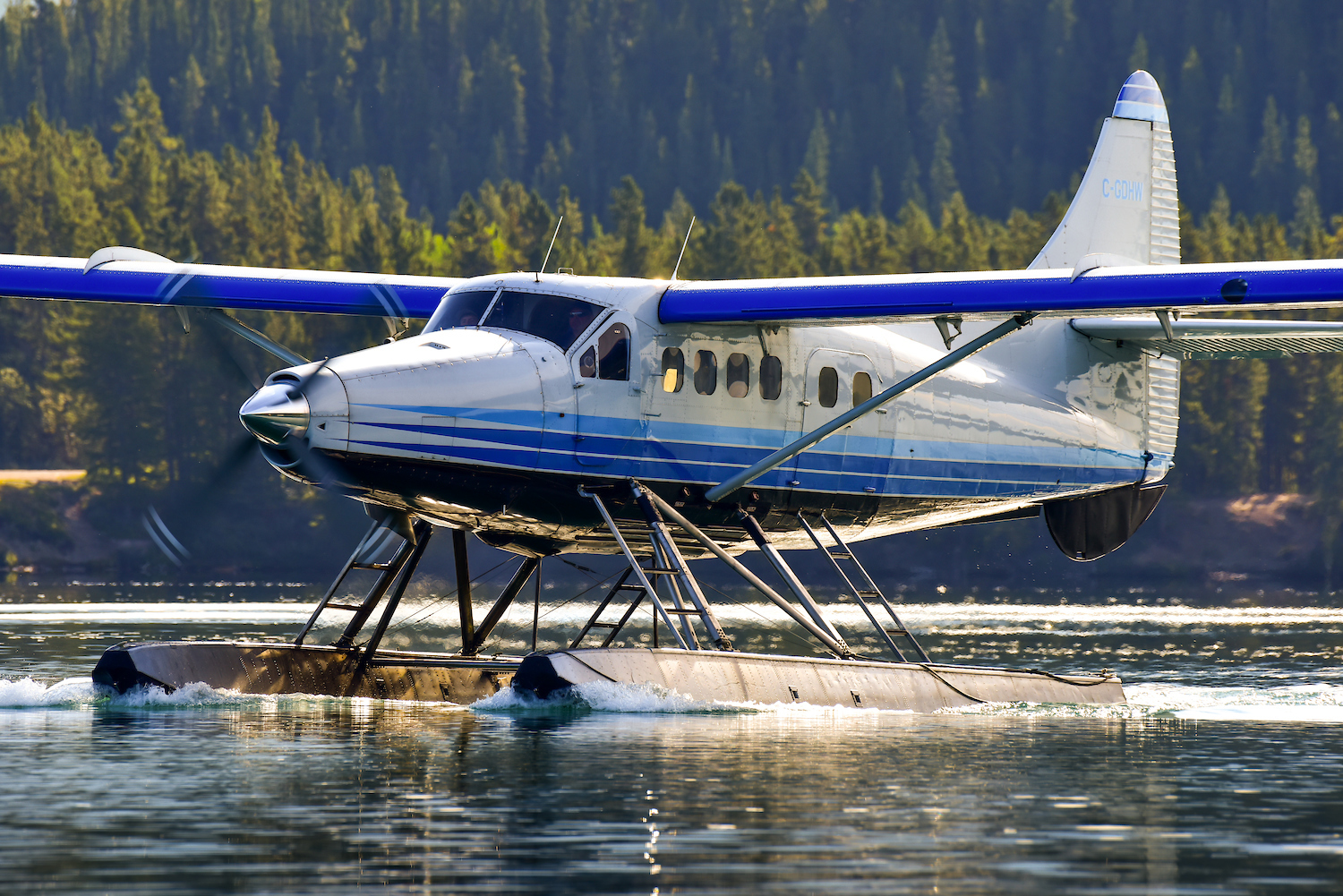
To get Mr. Huseonica and Ms. Sherwood to their very remote put-in location, Alkan Air in Whitehorse will fly them and their 500 pounds of gear in a DeHallivand Turbo Otter float plane. Insertion will be deep into the west arm of Bennett Lake. The team’s 18′ NovaCraft canoe will be securely strapped to one of the plane’s pontoons.
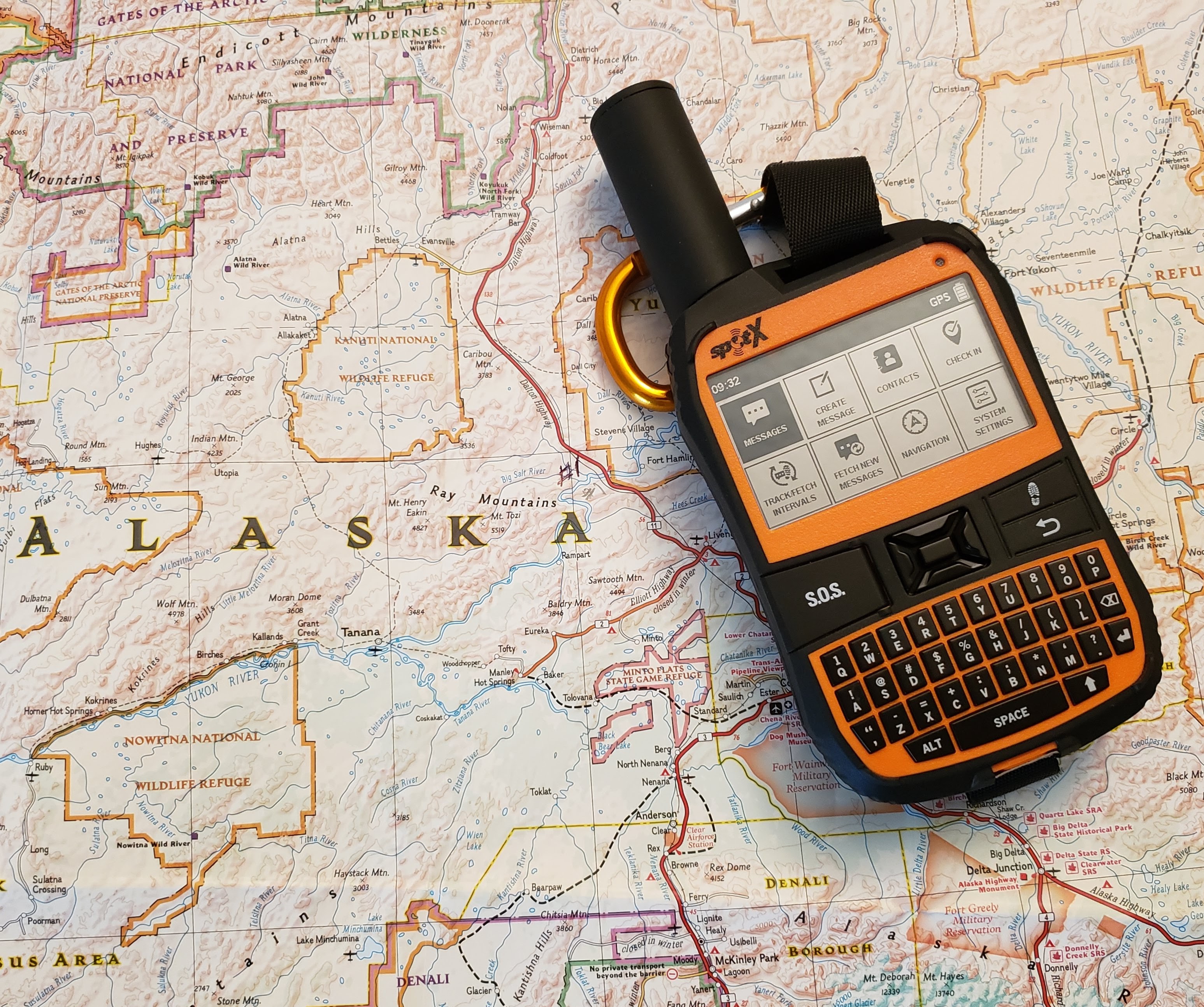
In Alaska, the team is relying on Horst Expediting to forward along United States Postal Service resupply boxes to three remote locations along the Yukon River. Mr. Huseonica and Ms. Sherwood will then have to pull out and search for the resupply boxes. This is in keeping with the self-supported guidelines for expeditions. No one is permitted to be waiting for them along the river with supplies or to assist them in any other way. This includes portages.
A major part of their planning process was determining what items to select for their 18 resupply boxes. Each of the three resupply drops require a slightly different selection of replacement gear and foods. All this will be sorted, boxed, and mailed in early May 2020. They have to get this right because opportunities to resupply in the remote fishing villages is problematic and very expensive.

On the river the team will use a mountain stove each morning to boil water for coffee, tea, and breakfast foods such as oatmeal or a freeze-dried breakfast meal. Each evening, a campfire will be built if a suitable area is found. Dinner will include fresh meats and vegetables. Fishing is an option throughout their journey, but being successful at catching fish is certainly key. When fresh foods run out, they will resort to freeze-dried options provided by Wild Zora Foods. During the day, they will have a variety of snacks to chose from. Options include vegetable and meat bars, jerky, nuts, air-dried fruit, and honey and nut bars.
For more information or to donate to the expedition’s resupply costs, please visit the official Website.

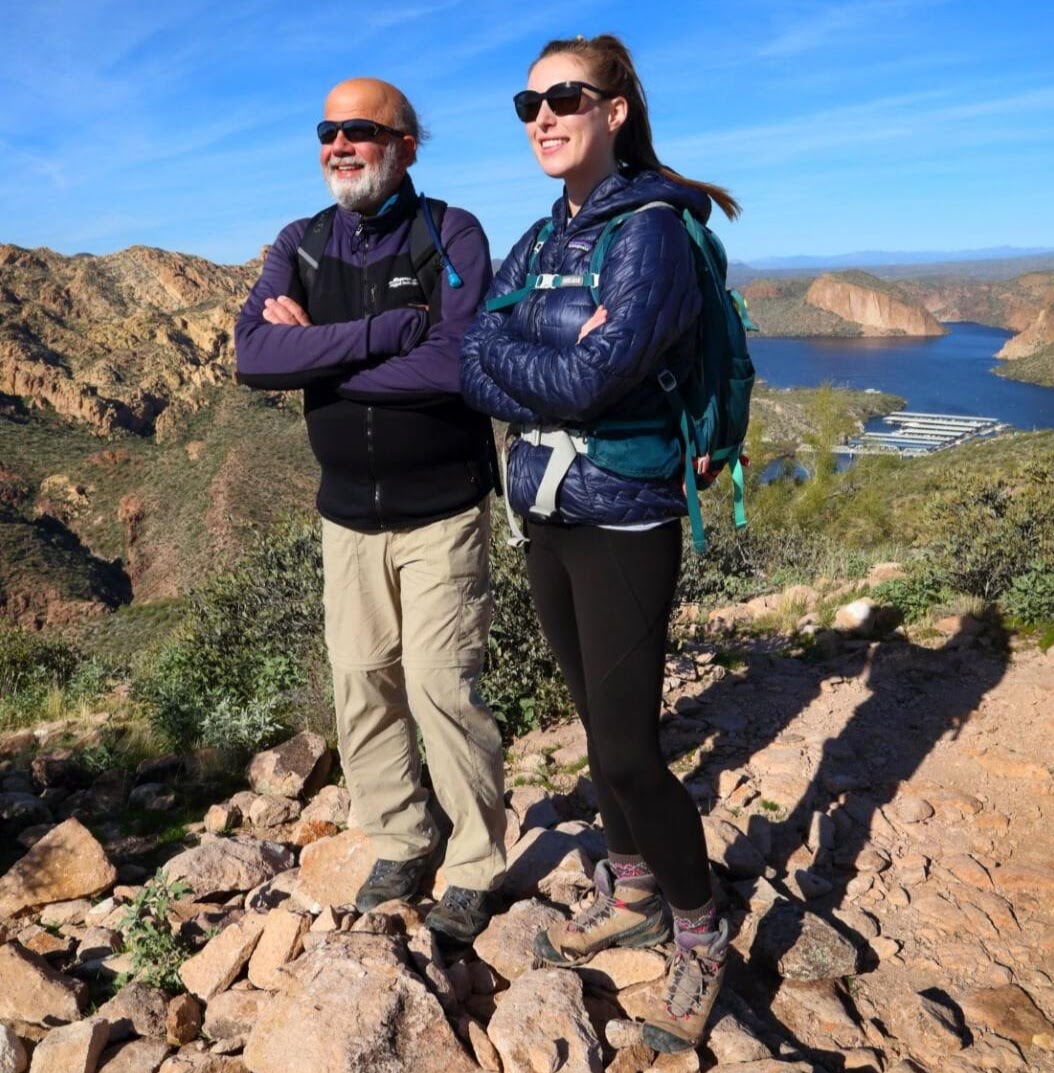 share with them stories and information about the team’s expedition. Mr. Huseonica and Ms. Sherwood will avoid interactions if either one is feeling ill, or if they suspect others are sick. When they visit isolated river towns it will be impossible to avoid people. The team will carry a supply of face masks with them at all times.

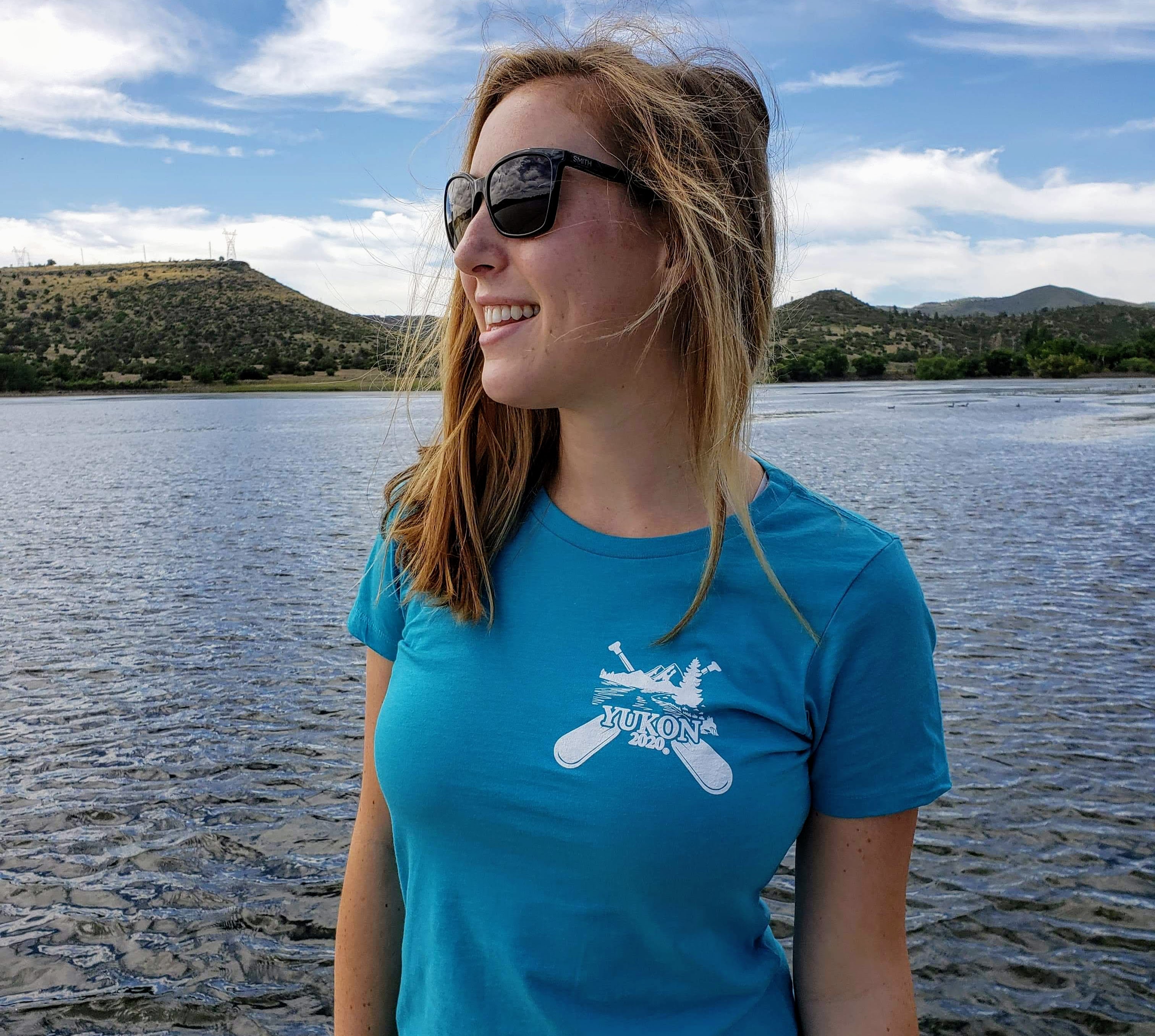 measures of safety and security, the team will be ever-aware of their surroundings, be respectful of village residents and people on the river, and use personal security code words and signals. They recently met with an indigenous resident who briefed them on how to conduct themselves in remote villages.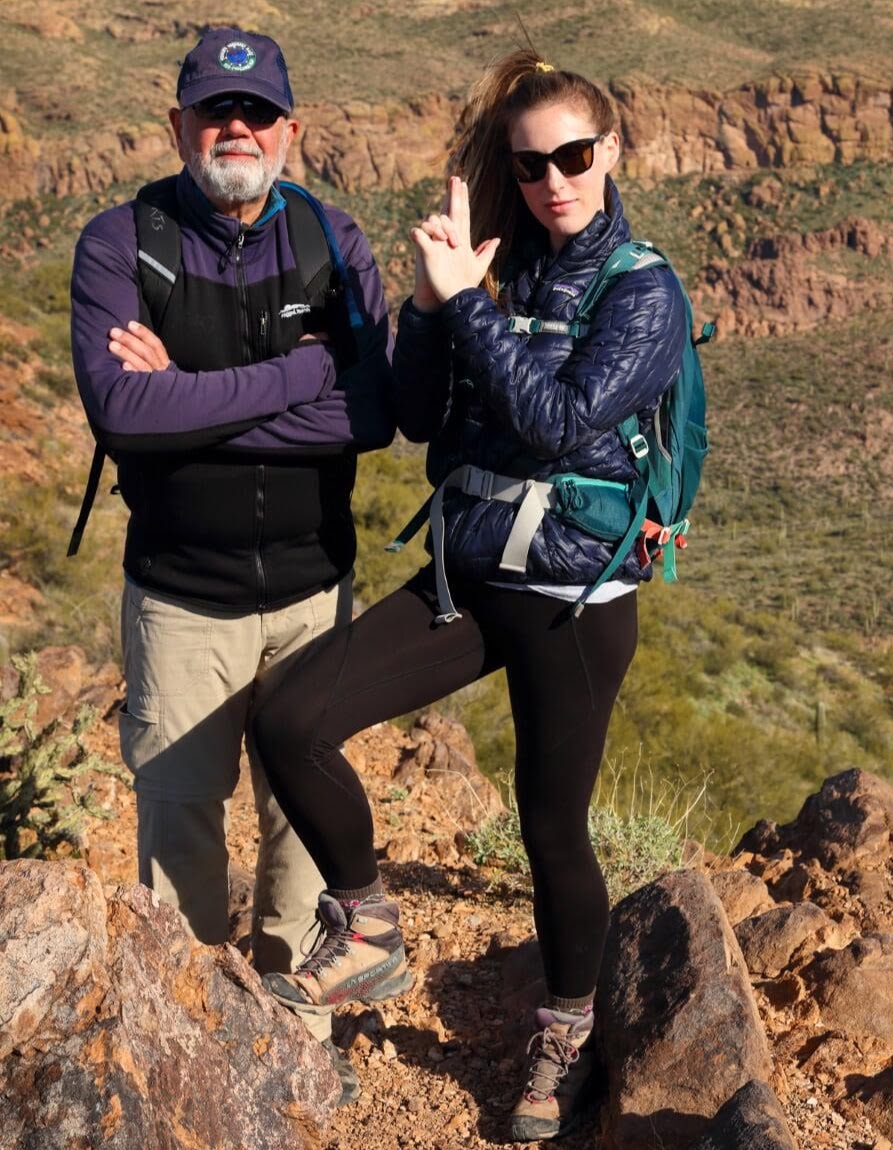
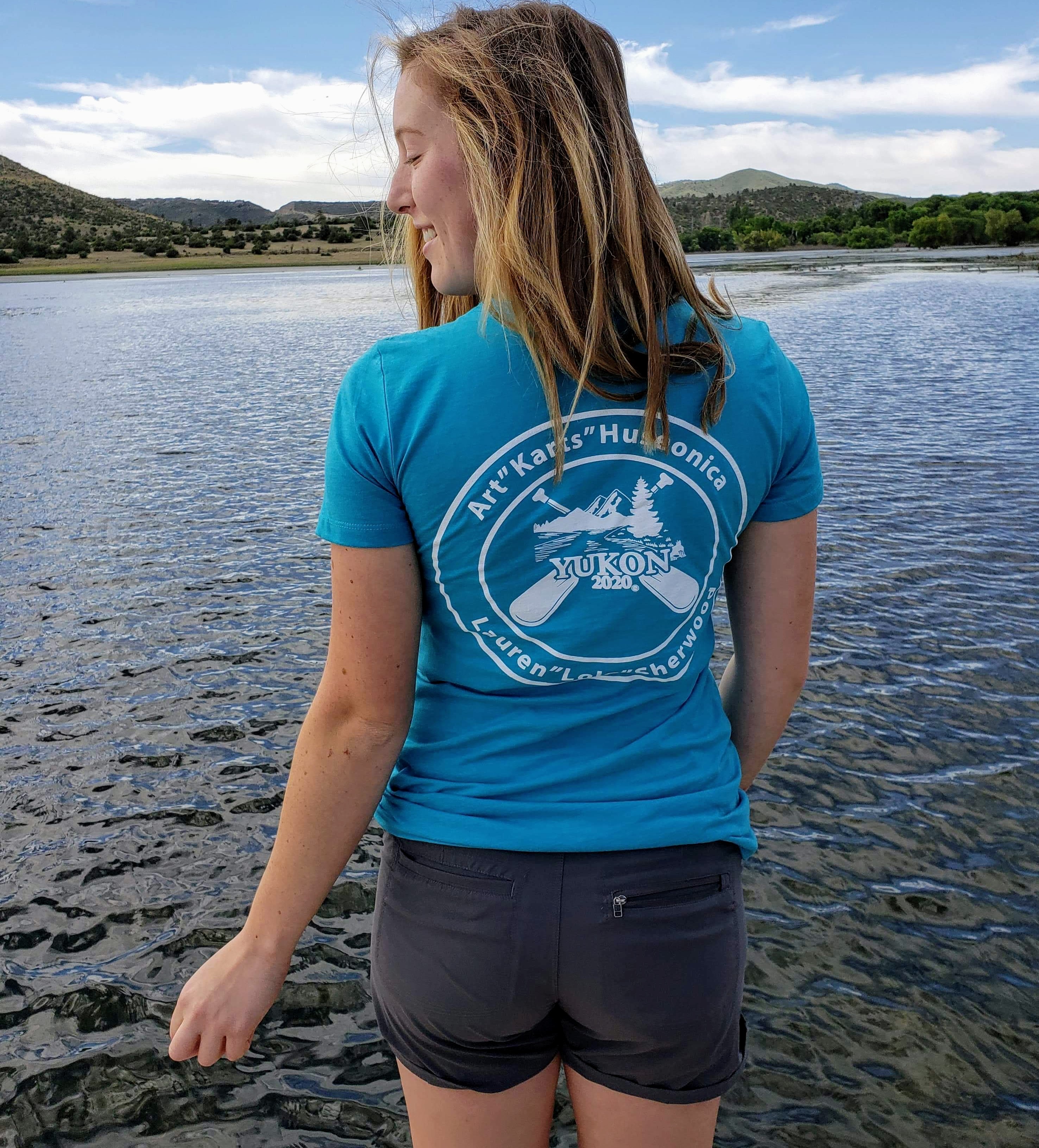
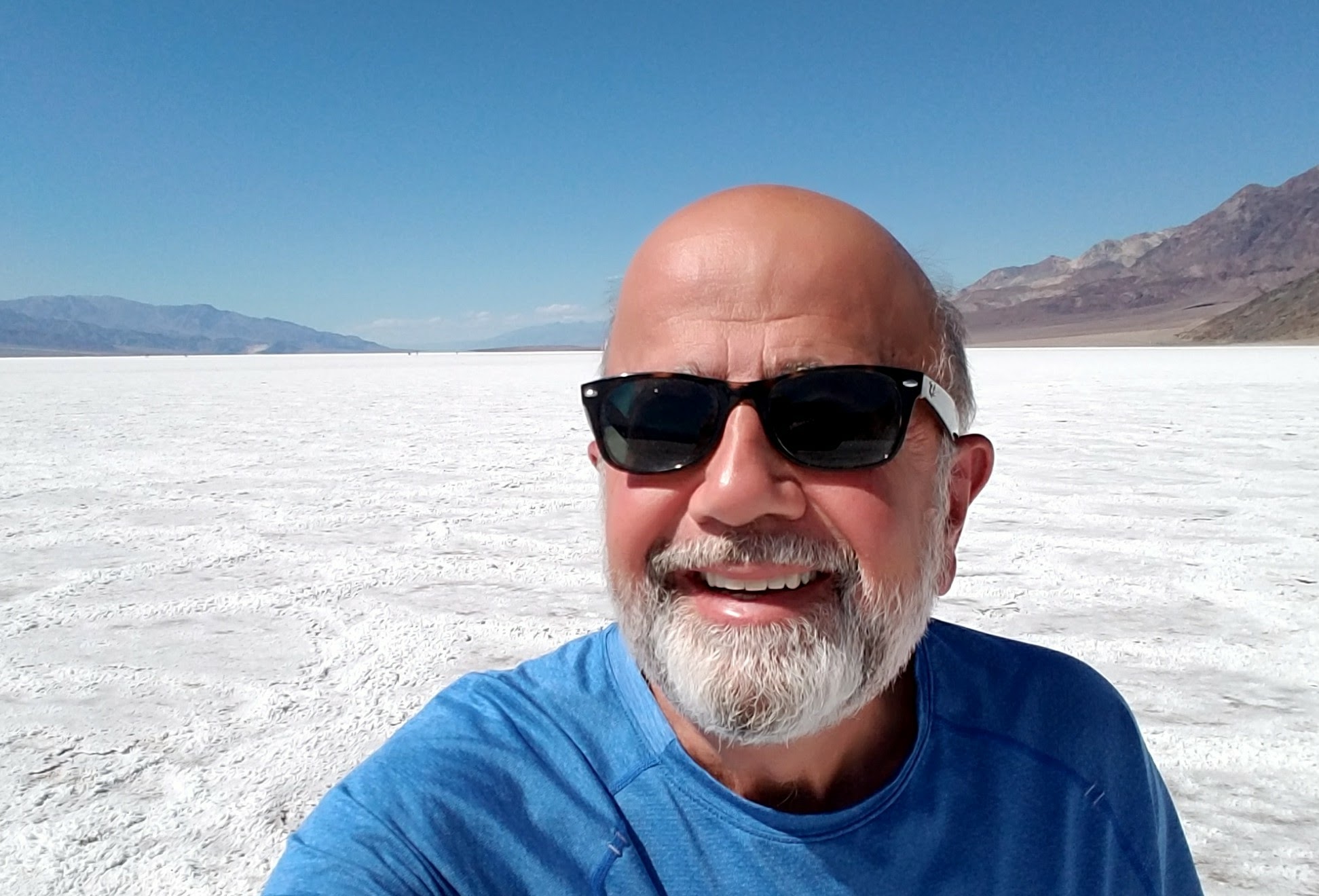
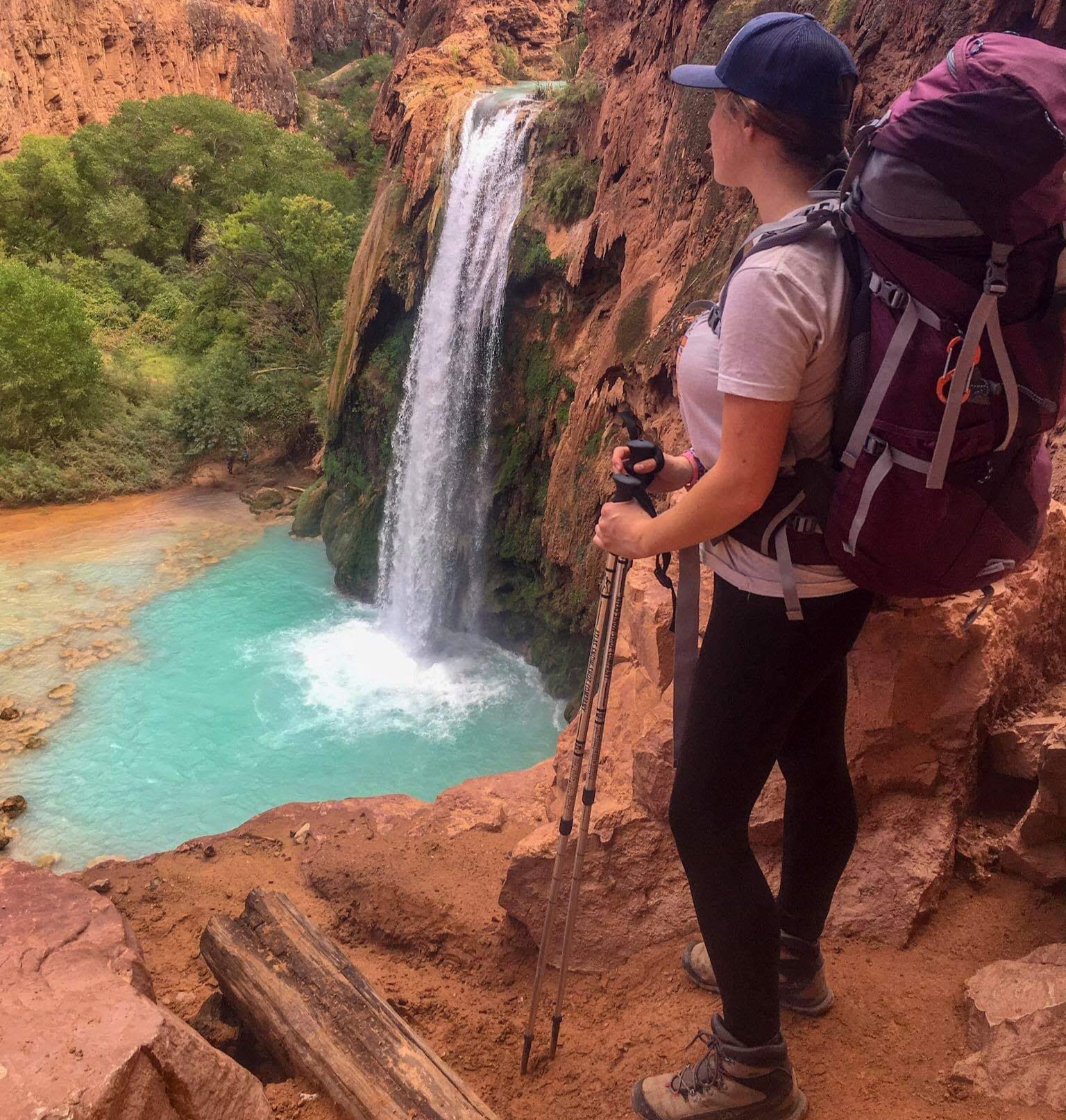
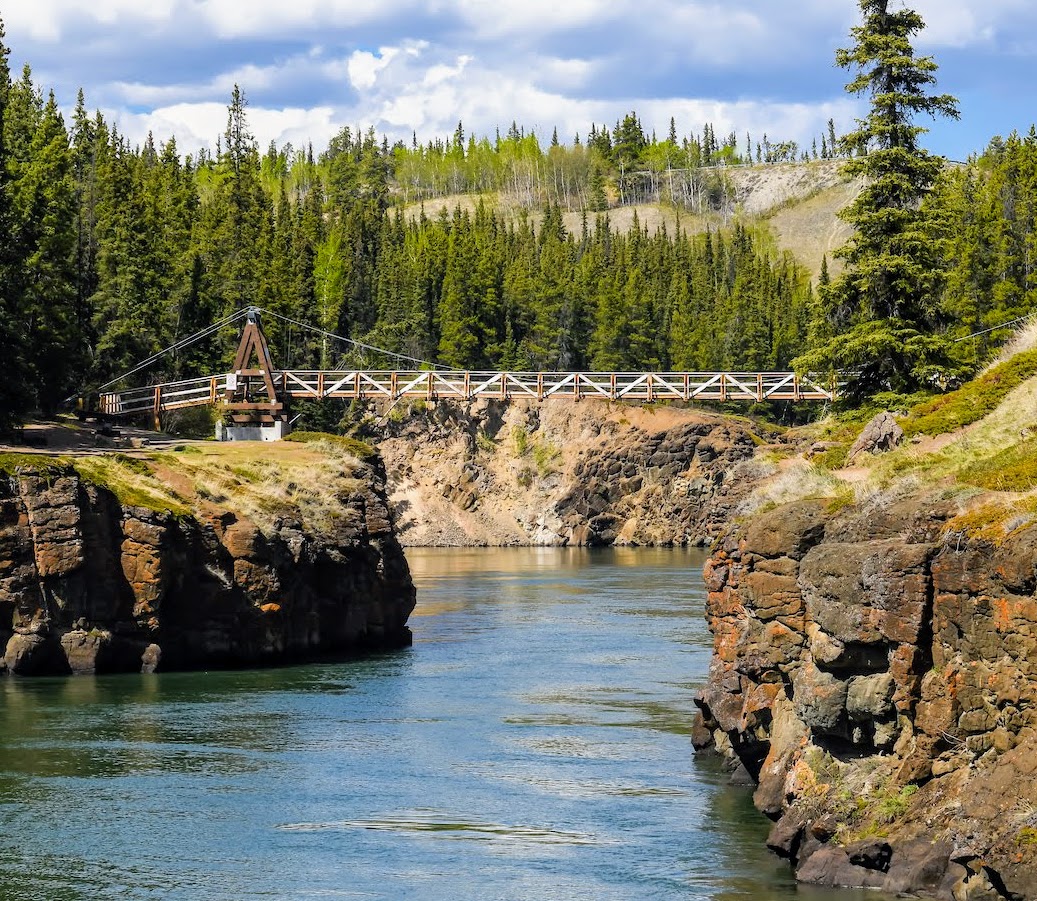 reference. Ms. Johnson and several ladies, ages 27-52, put in at Whitehorse, several miles from what today is considered the river’s source. It was certainly an epic adventure.
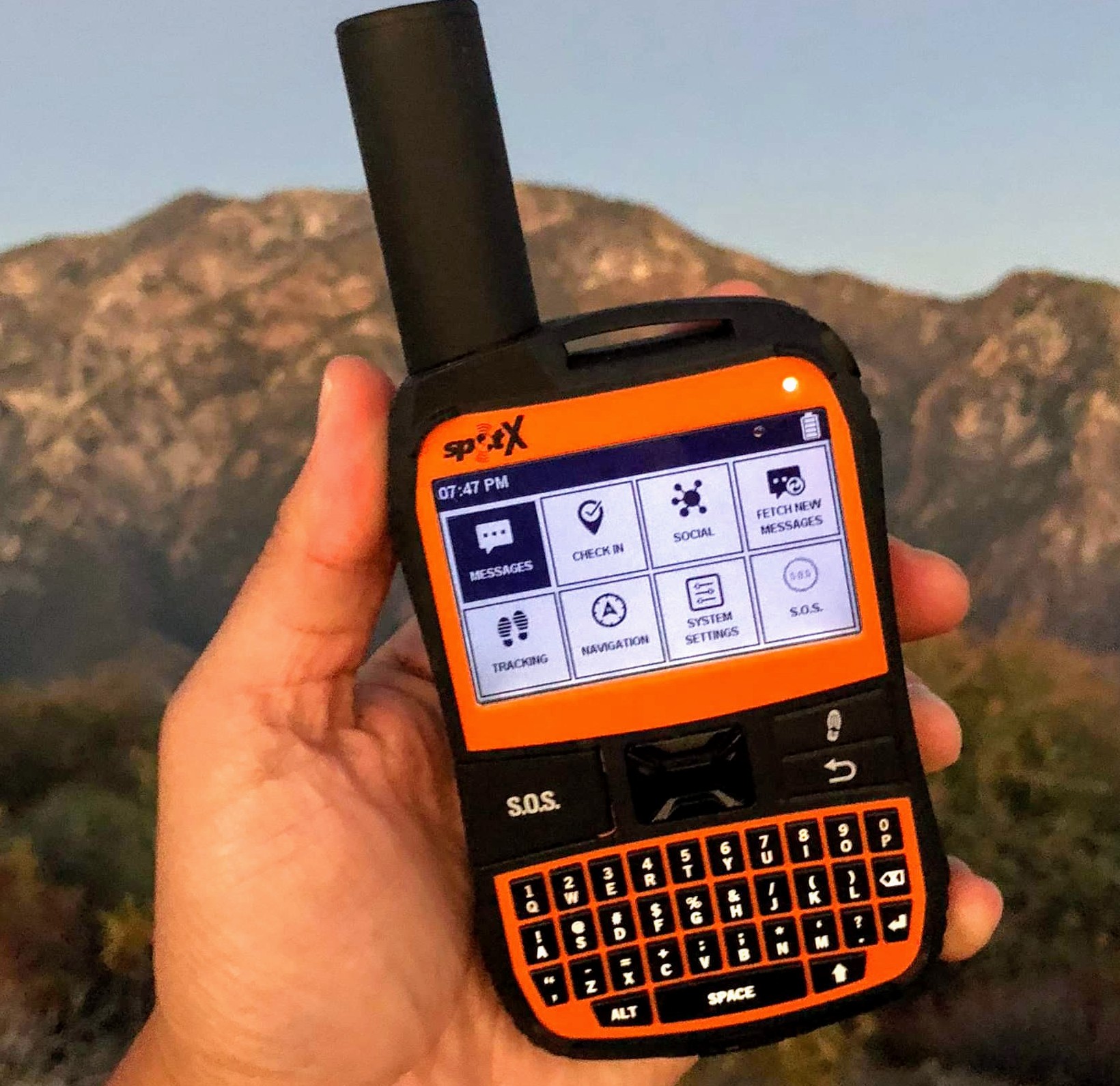 turn 26 when they reach the Arctic Circle in late June. To properly document a record attempt of being the youngest and the oldest to paddle the entire Yukon River, the team is required to officially declare what they are going to do, explain what they are doing while on the expedition, and then tell what they did at the completion. In addition, during the expedition, they are required to provide a trilogy of proof. This includes: a publicly accessible GPS track, documented eyewitnesses, and location selfies and videos.
 Arizonian Explorer