(March 21, 2023) Art “Karts” Huseonica is excited to announce that Melinda Land has joined the Yukon 2020™ team paddling from Carmacks to Dawson City, Yukon Territory, Canada. You can read all about Melinda for free without a subscription here.
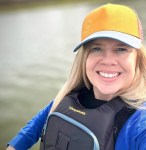
(March 21, 2023) Art “Karts” Huseonica is excited to announce that Melinda Land has joined the Yukon 2020™ team paddling from Carmacks to Dawson City, Yukon Territory, Canada. You can read all about Melinda for free without a subscription here.
(February 27, 2023; Sun City, AZ, USA) The kind folks at the Sun City INDEPENDENT newspaper recently published a feature news story about my upcoming Yukon River expediton. You can read it HERE for free without a subscription.

(February 9, 2023; Sun City, Arizona, USA) Art “Karts” Huseonica is excited that his reboot of Yukon 2020 is fast approaching. He plans to put-in on May 28th at Carmacks, Yukon Territory, Canada where he pulled out on June 21, 2022. He’ll be joined by guest paddlers, including Bruce Jobin and Melinda Land. Karts will have more about his special guest paddlers in the coming months leading up to the expedition.

Before he puts in, Karts will publish a GPS link so that you can follow his track and progress from Carmacks out to the Bering Sea. This track is part of the trilogy of proof required verify his adventure. Other required items of proof include documenting all eye witnesses and location selfies and videos.
Recently, Karts announced that he is going to dedicate his Yukon River expedition to his brother Joe Huseonica. On Christmas morning, the Huseonica family lost Joe. He was born in Lucerne Mines, Pennsylvania, USA in 1944 and has always provided enouragement and support for Karts.

Karts believes that Joe is going to be on the river with him, guiding and protecting him with every paddle stroke. The expedition canoe will have decals remembering Joe. In addition, all relevant YouTube videos and the expedition’s documentary film will be dedicated to him.
Fundraising continues as the reboot costs and inflation continue to ravage his original budget. Please visit: https://www.yukon2020.com/support
(December 31, 2022, Sun City, AZ, USA) Art “Karts” Huseonica attempted to climb Telescope Peak in Death Valley National Park in early December. But the tallest peak in the park wasn’t having it. Road closures from two major storms in late summer destroyed roads that were vital to accomplishing the feat. West Side Road remained closed past its opening date and upon his arrival, Karts learned that the road up to Mahogany Flats was being closed within the hour. Here’s a narrated slide show of the adventure on YouTube.
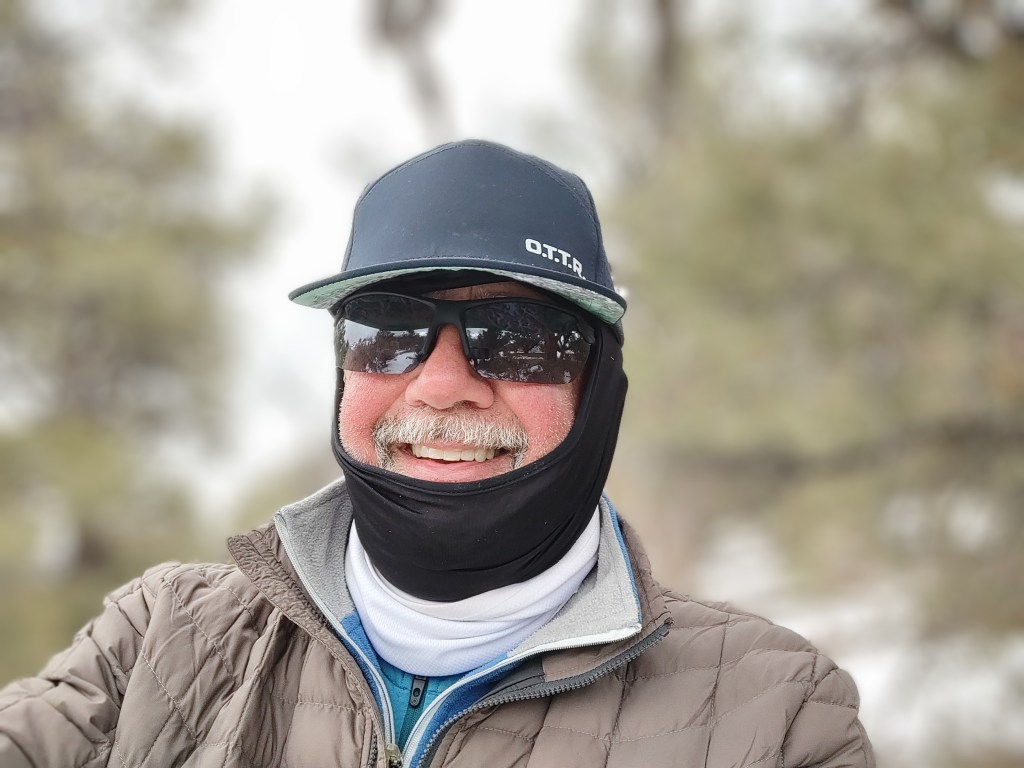
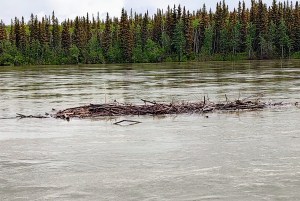
It was a fabulous Yukon River expedition until I rode the crest of the flooding into Carmacks. I was healthy and strong doing 50 miles/silent 82km per day easily. The river rose every day after that and submerged the few available camps down river and making it impossible to reach streams with fresh water entering the river. The amount and size of debris was according to local residents, the worst they’d ever seen. Carmacks officials called it a 50+ year event.
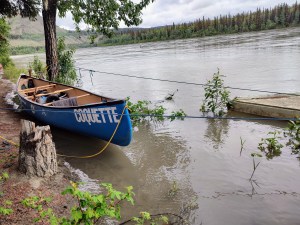
I had the gear, supplies, and the skills to navigate a flooded river, BUT local and regional authorities advised me against continuing on. This included the Royal Canadian Mounted Police and the First Nations. I had to consider this because if I continued and something happened that it would come back to bite me and reflect poorly on my expedition, aka, the Kindness Expedition.
The First Nations hold the Yukon River sacred, and see it as an interconnectiveness to all life. To continue on would disrespect that belief and bring discredit to me and the expedition. Right now I’m totally gutted. I had this, I was strong & healthy, but a very quick spring thaw sent the feeder rivers into flood stages which poured into the Yukon River. I could have sat it out three more weeks until the flooding receded, but that would put me past my August 15th deadline to be back up river out of the Bering Sea. The weather there gets really bad after August 15th. Plus, there’s very limited and costly extraction areas further into Alaska.
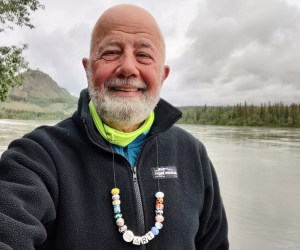
Everyone tells me that I made the right decision, but still. Ugh. A Canadian Broadcasting Corporation reporter who interviewed me said that I don’t appreciate all the attention that my expedition had gotten in Canada. She hoped that I would make the “right decision.” My international legal counsel and my Native American liaison assured me that I did the right think to demonstrate respect and kindness; afterall the expedition is also known as “The Kindness Expedition.”
I can’t forget the experiences I had with my First Nations’ interactions and the many people I met and who I paddled with. They gave me the nickname of “He who paddles on clouds.” I got a lot of good information, personal thoughts, photos, and videos for the documentary film. I will reboot the expedition on May 28, 2023 from where I pulled out in Carmacks.
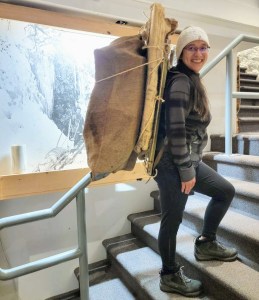
March 4, 2022, Sun City, AZ, USA) Members of several Yukon Territory First Nations will be padding segments of the Yukon River with Art “Karts” Huseonica this summer on his record-attempt Yukon River expedition. This aspect of the expedition will provide unique learning opportunities for Karts, ensure that he camps in indigenous territories with permission, and garner the respect of the First Nations. To learn more about this, here’s the LINK to a recent article describing this part of the expedition. The expedition is keeping its Yukon2020™ branding. The expediton is 2,020 miles long.
(Sun City, Arizona, USA; June 27, 2020) Sun City resident and adventurer Art “Karts” Huseonica is excited to help announce that Eco-Challenge Fiji is coming to Prime Video.
Billed as the “World’s Toughest Race,” Eco-Challenge was created by British reality show producer Mark Burnett (Survivor, The Voice) and hosted by international survival expert Bear Grylls. Eco-Challenge Fiji is being produced by MGM Television and will debut on Amazon’s Prime Video on August 14, 2020. The delivery format enables a worldwide audience. Due to stringent confidentiality agreements, Mr. Huseonica is prohibited from sharing race details or race photos.

Mr. Burnett produced the original Eco-Challenge race that put him on the reality TV map and was a precursor to his CBS hit Survivor. Mr. Grylls is just coming off of a popular run of his new interactive show Man vs Wild. “Eco-Challenge is the ultimate survival adventure race, against the elements, against the clock, and against some of the greatest extreme athletes the world has ever seen,” said Mr. Grylls.
Here’s a link to the exciting teaser trailer for Eco-Challenge Fiji.
“I was very happy to be part of an incredible event in an exotic location,” said Mr. Huseonica. “I got to work closely with some of the world’s best producers such as Mark Burnett and Lisa Hennessy.” He added, “It was great seeing Bear Grylls again and catching up on our lives, including my grandson Carson’s recent injury.”

Mr. Huseonica’s responsibilities as part of the race’s staff of adventurers and subject area experts included meeting race teams at the airport, race bike inspections, checkpoint manager, and being part of the staff at two rest and medical camps along the arduous 417-mile/671 km race route. In addition, he helped to maintain a good working relationship with the village’s leadership.

Fiji is a rugged volcanic land with dense jungles. Mostly uninhabited and remote, the island villages maintain an ancient South Pacific tribal value system governed by local chiefs. Mr. Huseonica traveled to numerous locations on the island and three remote smaller islands as part of his work. This required daily interactions of village chiefs and their number two man referred to as the village headman.
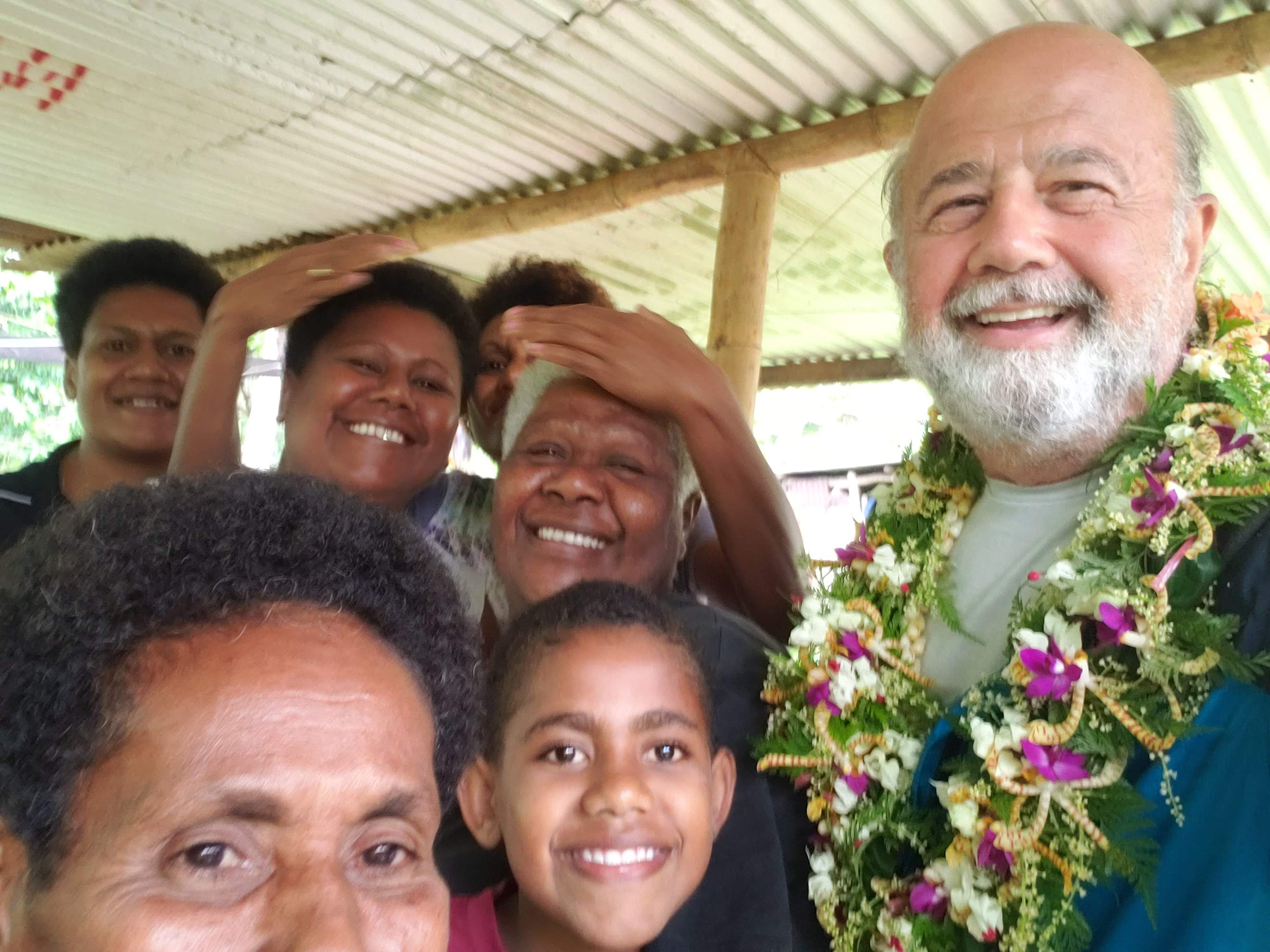
Staying in his tent or village bures (thatched-roof homes), he was always warmly welcomed into villages for stays that lasted from one to three days. Children were especially excited to have Mr. Huseonica in their village, albeit mostly a curiosity factor of having a bearded, bald-headed white man in their village. The excitement level dramatically increased when the race teams came through the villages, followed closely by numerous camera crews and assist producers. Most Fijians speak at least a little English, so the normal language barriers were not present.
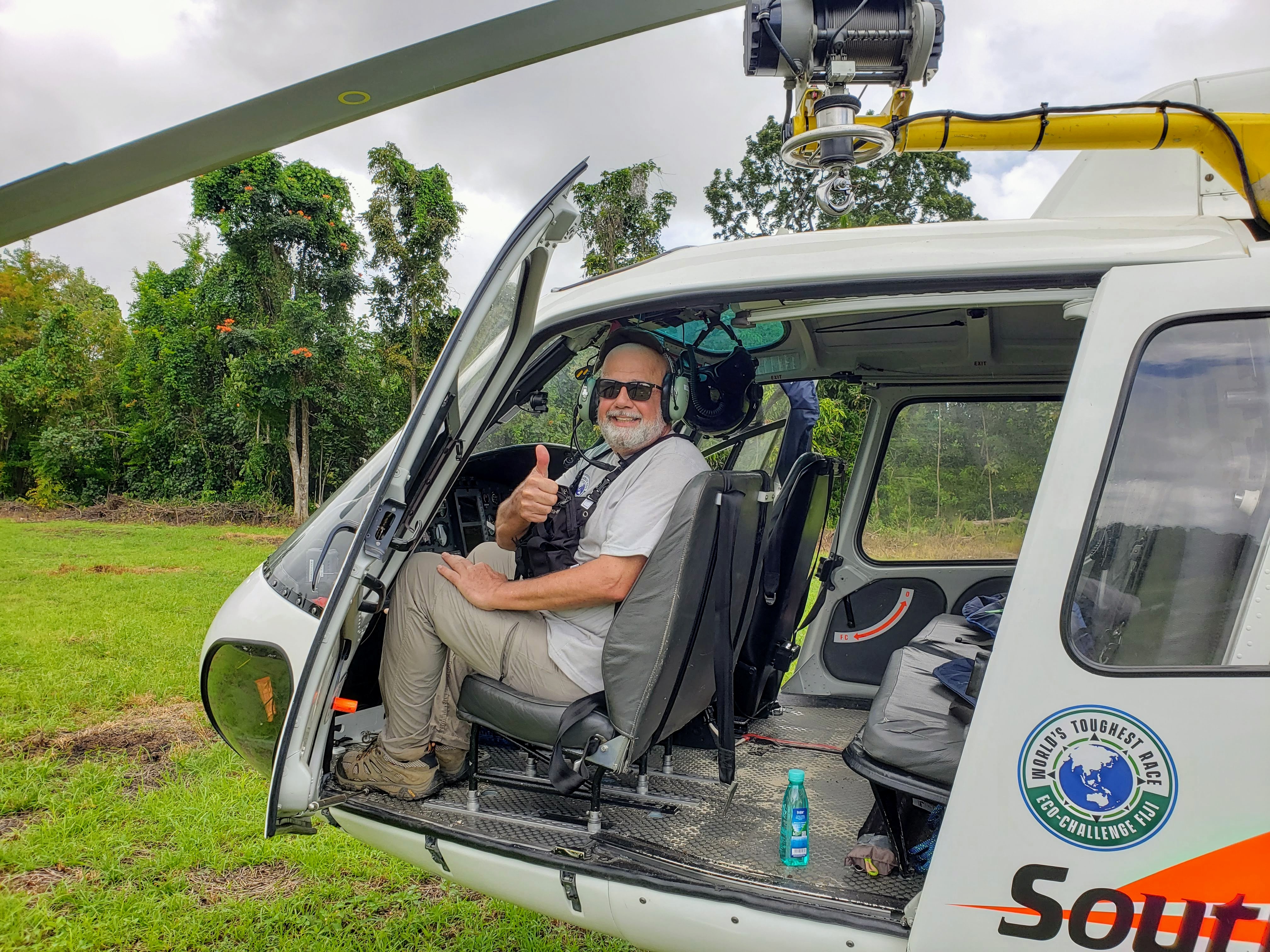
For this challenging race there are 66 four-person teams from around the world who competed non-stop mountain biking remote trails, paddling down white-water rivers, rappelling down cliff sides, climbing, sailing across open ocean, and pack rafting. Navigation is done with map and compass only. If one member of the team drops out for any reason during the eleven-day race, the team was disqualified.
Mr. Huseonica’s transportation between locations included wading across rivers, trekking, four-wheel drive vehicles, boats, and helicopters. Many villagers witnessed a helicopter landing for the first time in their lives. One village’s residents and all the school children came running down to the playground to see Mr. Huseonica land and disembark with his five gear bags. He had lots of help moving his gear to where the race course came through the village.

The “eco” in Eco-Challenge means that there will be a strong focus on leaving the race course pristine. Camps and checkpoints will also be set up and maintained with the idea of keeping the area clean at all times and properly disposing of waste. Mr. Huseonica helped local Fijian volunteers to ensure that remained true in his assigned areas during the race and afterwards.
Don’t forget the 10-episode series starts August 14, 2020 on Amazon’s Prime Video.
Dear friends, Lolo and I are absolutely gutted right now, having to officially postpone our Yukon 2020 expedition until May 24, 2022.
We remained optimistic as long as we could but circumstances far beyond our control forced this decision. Most prominent is the Yukon Territory’s recent direct refusal to let us enter their territory this year under any circumstances.
Secondary, is the negative public appearance that we’re going off on a highly visible and dangerous adventure while so many people are suffering financially and the uncertainty of the world’s health status.
While we’re taking a huge financial loss by postponing such a complex expedition, the economic devastation occurring to our expedition business friends in the Yukon and Alaska is what deeply saddens us. We’ll keep the same expedition plan in place with our Canadian and Alaskan outfitters, and the many other logistical support folks if they can survive until then.
We are pleased to know most of our sponsors have pledged their continued support. We’ll keep our GoFundMe page active to garner funds for resupply on the river, but will honor refund requests.
We’re still referring to the expedition as Yukon 2020. For more information, please visit http://www.yukon2020.com.


What will Art “Karts” and Lauren “Lolo” Sherwood eat on their 2,020-mile/3,250-km Yukon River expedition?
A better question might be how will they get their food? The team’s Yukon 2020™ logistics planning consists of several resupply activities that include in-town resupply, mail forwarding, fishing, and purchases from village residents. These are further broken down into logistical activity in the Canada and Alaska. Next to training, logistics planning is the most time consuming activity in this expedition’s preparation.
In the Yukon Territory of Canada, the team will make their initial outfitting in the territorial capital city of Whitehorse. Although a small city, Whitehorse is crucial to the team getting a good start to their epic expedition. The team chose Up North Adventures as their outfitter of choice and for their canoe (see photo) fabrication with NovaCraft Canoe, bulk expedition supplies such as paddles, cooking supplies, cooler, and water-tight container systems.
Fresh groceries and dry goods will be purchased in the Whitehorse grocery store. This is the beginning of the very expensive river resupply process. The team is not bringing bulk food into Canada due to restrictions upon entry and because of baggage limitations. The exceptions are the meals and energy bars.
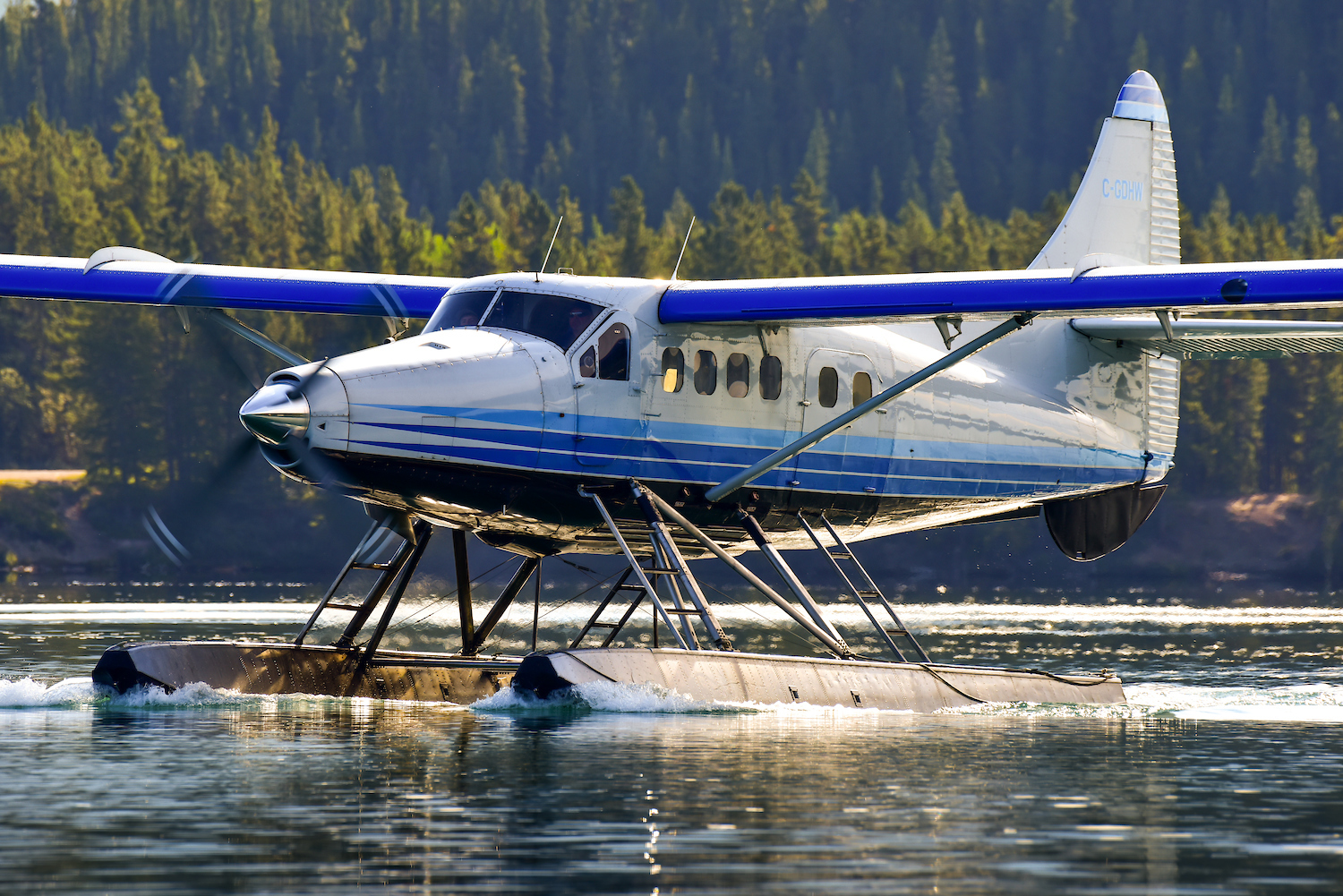
To get Mr. Huseonica and Ms. Sherwood to their very remote put-in location, Alkan Air in Whitehorse will fly them and their 500 pounds of gear in a DeHallivand Turbo Otter float plane. Insertion will be deep into the west arm of Bennett Lake. The team’s 18′ NovaCraft canoe will be securely strapped to one of the plane’s pontoons.
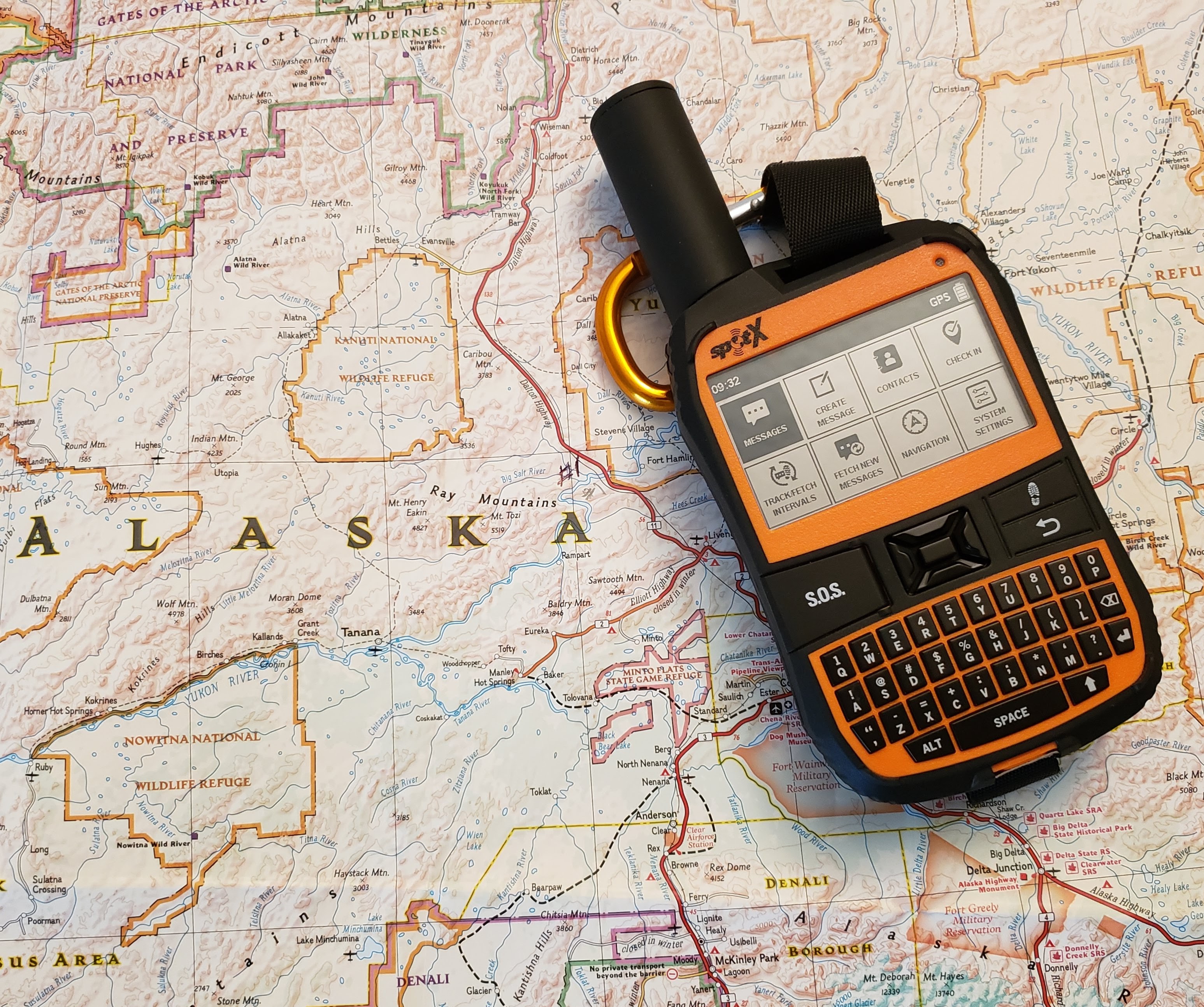
In Alaska, the team is relying on Horst Expediting to forward along United States Postal Service resupply boxes to three remote locations along the Yukon River. Mr. Huseonica and Ms. Sherwood will then have to pull out and search for the resupply boxes. This is in keeping with the self-supported guidelines for expeditions. No one is permitted to be waiting for them along the river with supplies or to assist them in any other way. This includes portages.
A major part of their planning process was determining what items to select for their 18 resupply boxes. Each of the three resupply drops require a slightly different selection of replacement gear and foods. All this will be sorted, boxed, and mailed in early May 2020. They have to get this right because opportunities to resupply in the remote fishing villages is problematic and very expensive.

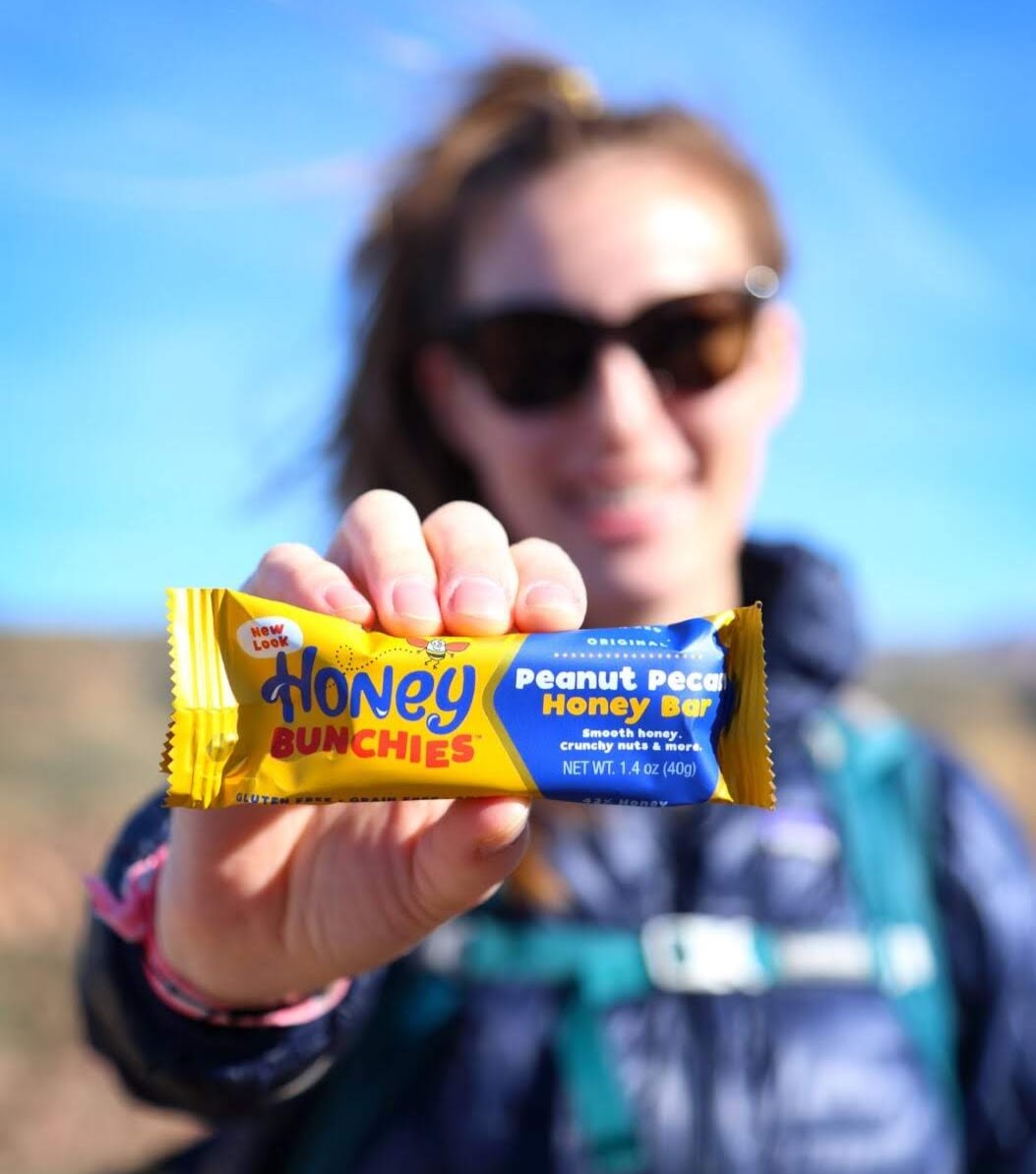
On the river the team will use a mountain stove each morning to boil water for coffee, tea, and breakfast foods such as oatmeal or a freeze-dried breakfast meal. Each evening, a campfire will be built if a suitable area is found. Dinner will include fresh meats and vegetables. Fishing is an option throughout their journey, but being successful at catching fish is certainly key. When fresh foods run out, they will resort to freeze-dried options provided by Wild Zora Foods. During the day, they will have a variety of snacks to chose from. Options include vegetable and meat bars, jerky, nuts, air-dried fruit, and honey and nut bars.
For more information or to donate to the expedition’s resupply costs, please visit the official Website.
(April 24, 2020; Arizona USA) The Yukon 2020™ team is excited to have outlined their plan to Leave No Trace on their expedition. They are expected to have a plan in place to demonstrate their commitment to conducting a comprehensive and professional expedition with regards to the environment. In these times of COVID-19, this is more important than ever.
Leave No Trace means that participants leave only their foot prints; in other words, minimal impact. This international program consists of seven principles: plan ahead and prepare; camp on durable surfaces, dispose of waste properly; take nothing; minimize campfire impact; respect wildlife; and be considerate of others. Art “Karts” Huseonica and Lauren “Lolo” Sherwood will remind each other to stay focused on the principles throughout their entire expedition.

This outline of Leave No Trace principles is part of the team’s planning and preparation process. Due to the length of the expedition in terms of time and distance, preparation is an all-consuming process. Leave No Trace is an important part of that process.
Considerable time will be allotted to finding suitable campsites each night that are durable for tents, cooking, and general camp life that will not leave a permanent reminder that they were there. This includes their fire pit areas. If they’re fortunate enough to find an old fire pit area, they will build their camp around that so as to avoid creating another fire pit area. Only drift wood will be burned; no trees will be cut down. If driftwood is not available, they will revert to using their small mountain stove.
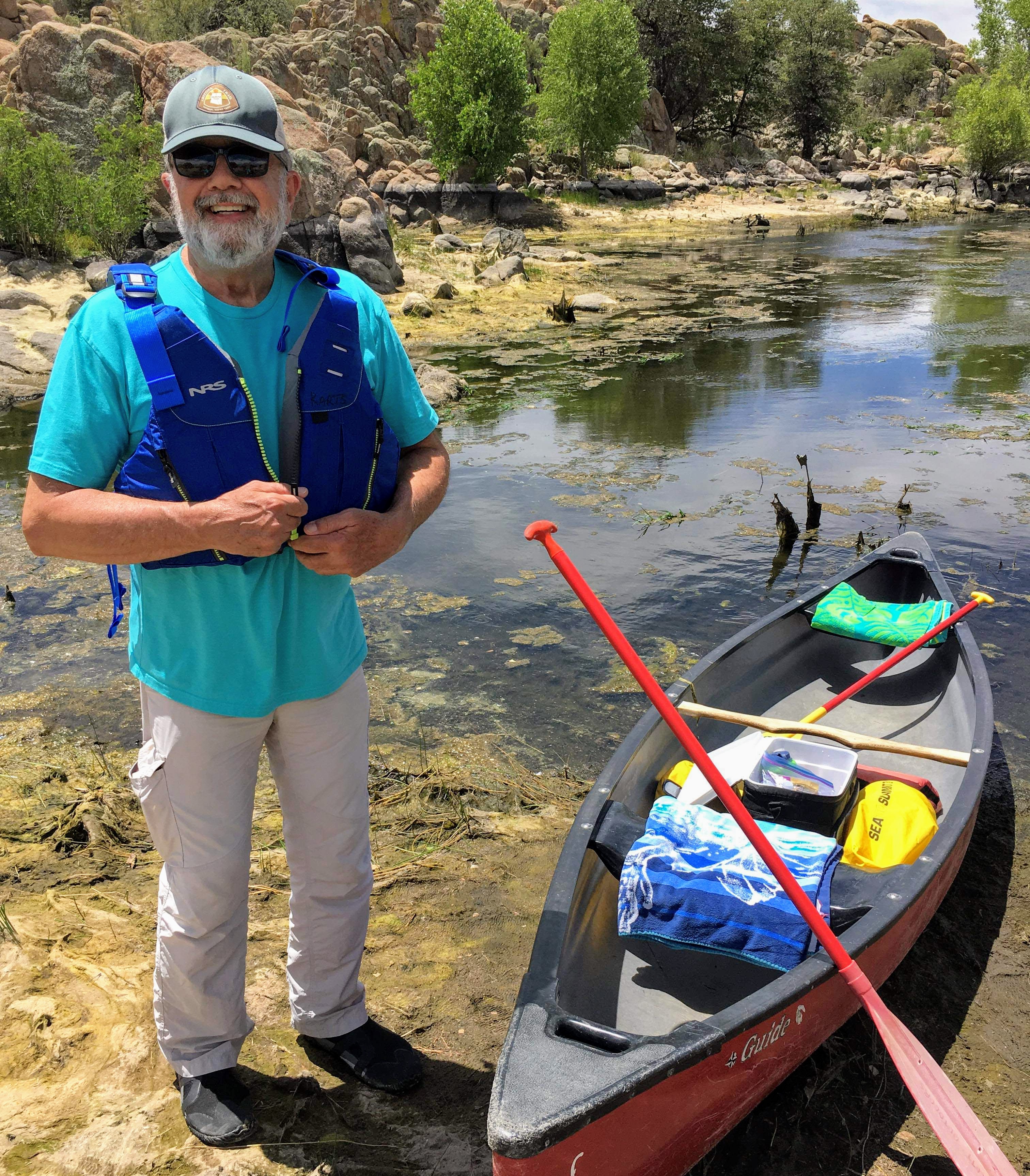
Trash will be burned when feasible. Otherwise, it be packed up for proper disposal in villages if residents are agreeable to doing that. Having trash containers and room in their canoe is part of the planning and preparation step. Prior to the expedition’s start on June 4, Mr. Huseonica and Ms. Sherwood will eliminate as much plastic from their supplies as possible. They will never use any single-use plastics. The team expects to find trash along their 2,020-mile/3,250km journey and will pick up as much as they can manage and properly dispose of, especially near their camp sites.
Human waste will be disposed of in cat holes, at least six inches deep and located 200 feet/60 meters from camp or water sources. Toilet paper will be burned in the cat hole. When this is not feasible, the team will be carrying a supply of blue bags to store solid waste in and properly dispose of where appropriate.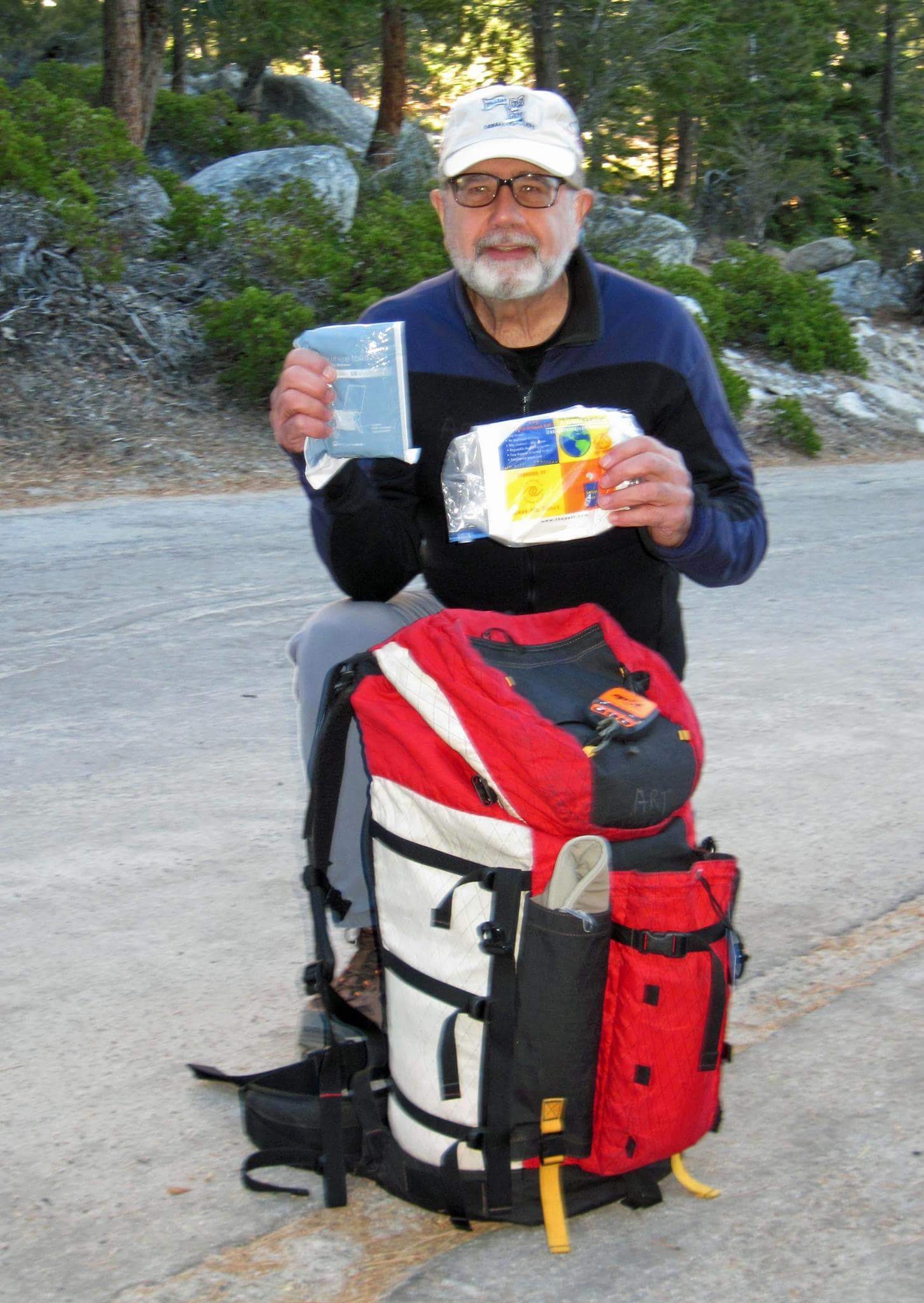
Mr. Huseonica and Ms. Sherwood will take nothing from the environment such as archaeological or historical remains, rocks, or vegetation. They will not build cairns (small piles of rocks) as a reminder they’d passed through an area. Only their foot prints will be left behind.
Being respectful of wildlife means not feeding animals, killing them except for food as permitted and licensed, or harassing them in any way. The team will have to fish throughout their expedition in order to have sufficient food and get the protein necessary to keep them healthy and strong.
Meeting people on the river will be rare. When the opportunity presents itself, interacting with others will be a unique opportunity to learn about local residents and to 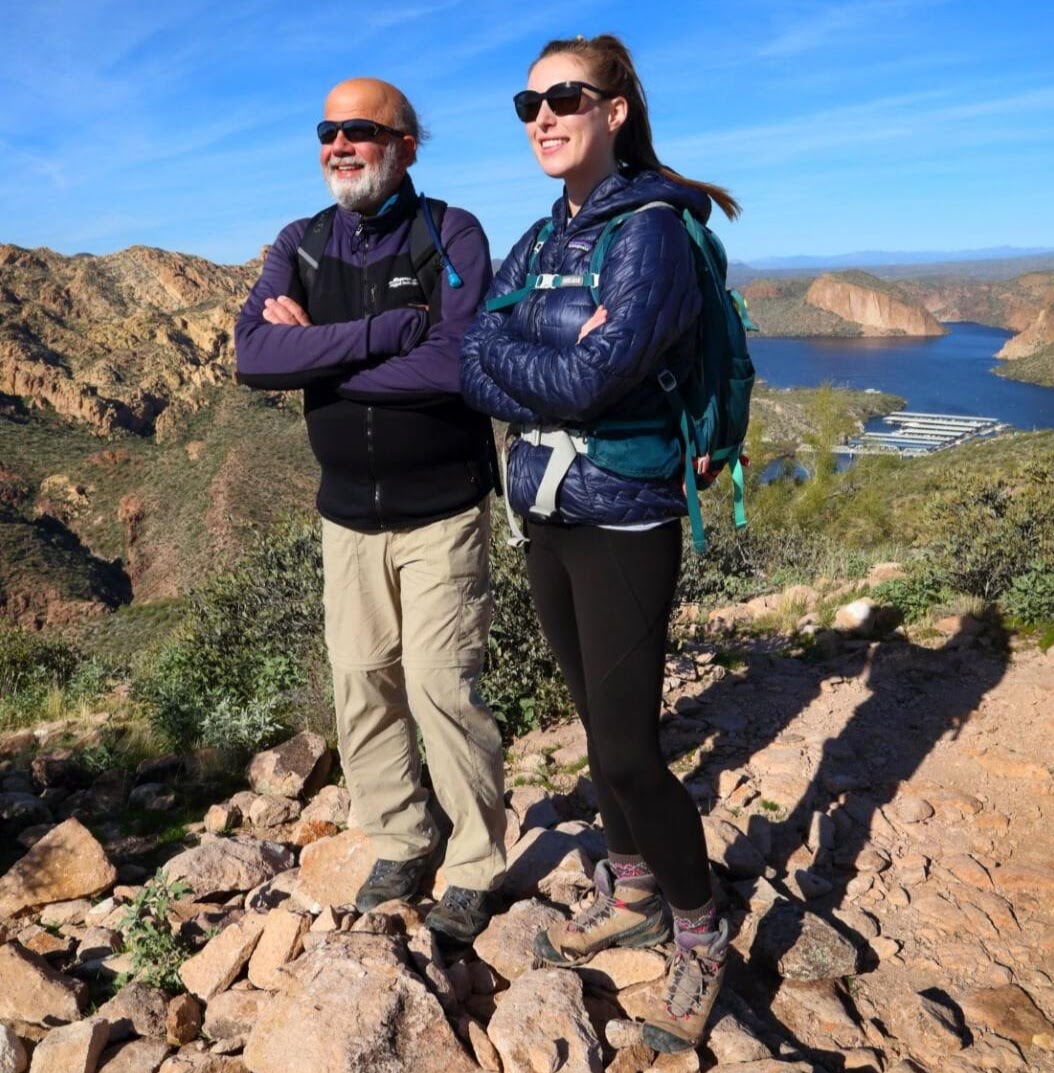 share with them stories and information about the team’s expedition. Mr. Huseonica and Ms. Sherwood will avoid interactions if either one is feeling ill, or if they suspect others are sick. When they visit isolated river towns it will be impossible to avoid people. The team will carry a supply of face masks with them at all times.
At small, remote villages, the team will be an interesting distraction to residents, and most likely bring attention to themselves. The team will provide to the Canadian government their plan for interacting with First Nations peoples in the Yukon Territory. A similar plan will be provided to the US State Department for interactions with Alaska Natives. This plan will include how and when the team will contact village leaders prior to their arrival to discuss visitation and health protocols.
For more Yukon 2020™ expedition information, sponsorship opportunities, or to donate to the resupply costs, please visit the official Website.
 Arizonian Explorer