Two-For Expeditions in 2024

Disappointment for Karts… Again

(August 27, 2023; Sun City, AZ, USA) The Whitehorse Star newspaper published a comprehensive article about Kart’s failure to reach the Bering Sea and set a record. You can read the article for free here. Journalist Morris Prokop has followed Karts’ adventure on the Yukon River for two years after his attempt last year was thwarted by 100-year flood event.

Yukon River Expedition Update – Feb 2023

(February 9, 2023; Sun City, Arizona, USA) Art “Karts” Huseonica is excited that his reboot of Yukon 2020 is fast approaching. He plans to put-in on May 28th at Carmacks, Yukon Territory, Canada where he pulled out on June 21, 2022. He’ll be joined by guest paddlers, including Bruce Jobin and Melinda Land. Karts will have more about his special guest paddlers in the coming months leading up to the expedition.

Karts on the shore of Lake Lebarge with his canoe on shore in the background. Wearing a lime shirt with a blud neck gaiter.

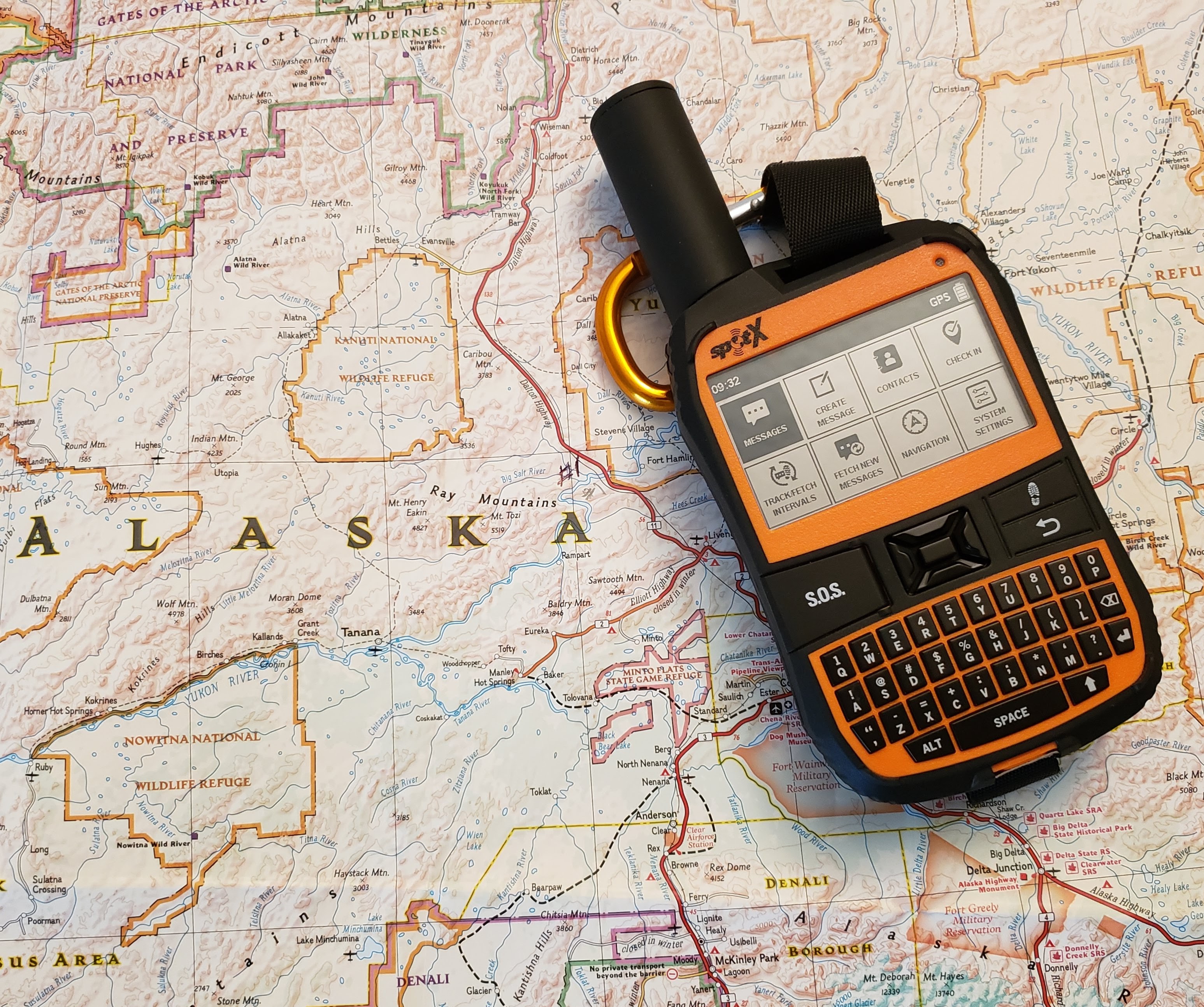
Before he puts in, Karts will publish a GPS link so that you can follow his track and progress from Carmacks out to the Bering Sea. This track is part of the trilogy of proof required verify his adventure. Other required items of proof include documenting all eye witnesses and location selfies and videos.

Recently, Karts announced that he is going to dedicate his Yukon River expedition to his brother Joe Huseonica. On Christmas morning, the Huseonica family lost Joe. He was born in Lucerne Mines, Pennsylvania, USA in 1944 and has always provided enouragement and support for Karts.

Photo of Joe Hueoncia in a yellow golf shirt overlooking a metropolitian area.

Karts believes that Joe is going to be on the river with him, guiding and protecting him with every paddle stroke. The expedition canoe will have decals remembering Joe. In addition, all relevant YouTube videos and the expedition’s documentary film will be dedicated to him.

Fundraising continues as the reboot costs and inflation continue to ravage his original budget. Please visit: https://www.yukon2020.com/support

Yukon 2020™ Expedition Logistics

Yukon 2020 branding logo v1 copy

What will Art “Karts” and Lauren “Lolo” Sherwood eat on their 2,020-mile/3,250-km Yukon River expedition? 

A better question might be how will they get their food? The team’s Yukon 2020™ logistics planning consists of several resupply activities that include in-town resupply, mail forwarding, fishing, and purchases from village residents. These are further broken down into logistical activity in the Canada and Alaska. Next to training, logistics planning is the most time consuming activity in this expedition’s preparation.

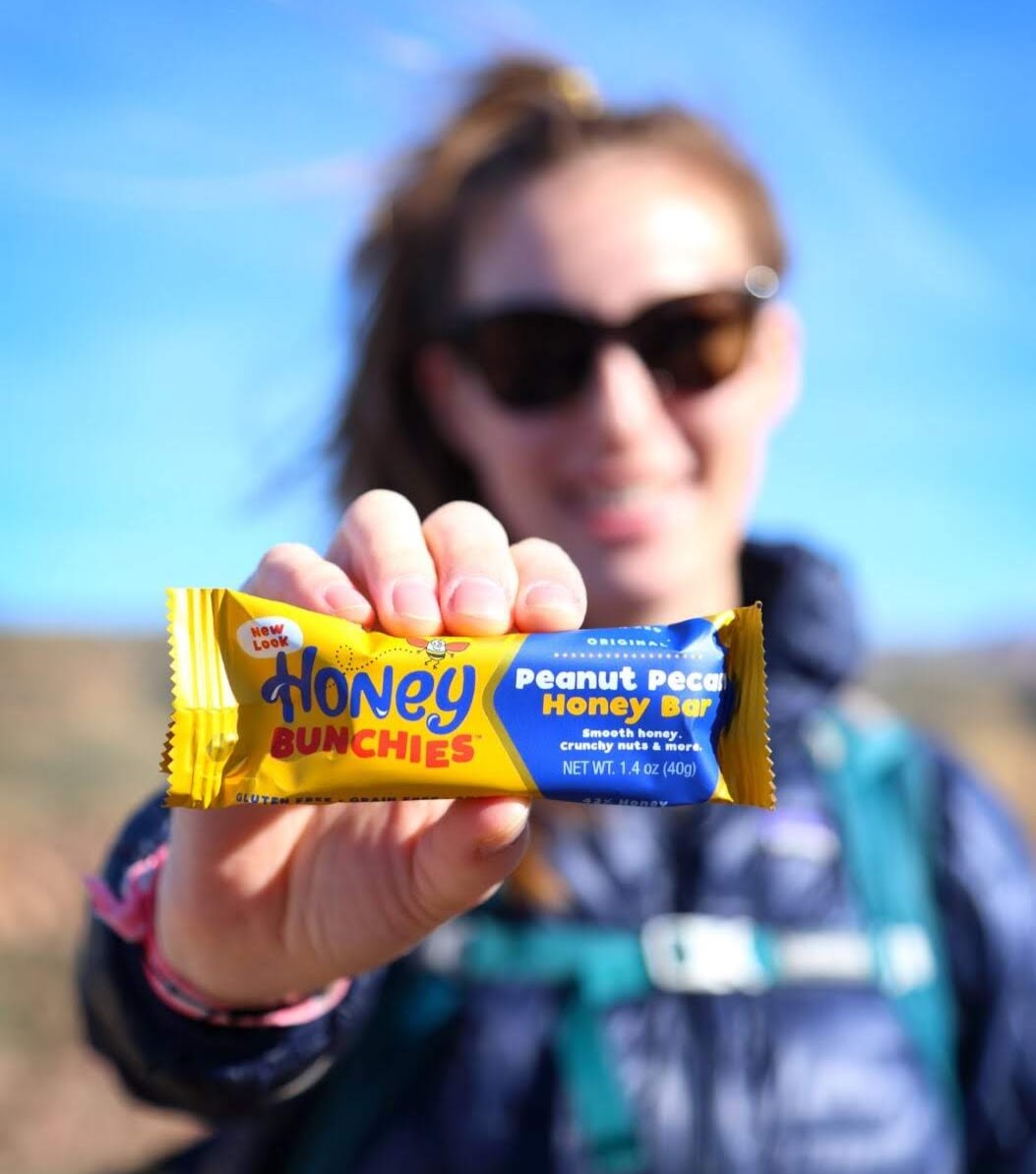
Karts and Lauren Boulder honey bunchies

In the Yukon Territory of Canada, the team will make their initial outfitting in the territorial capital city of Whitehorse. Although a small city, Whitehorse is crucial to the team getting a good start to their epic expedition. The team chose Up North Adventures as their outfitter of choice and for their canoe (see photo) fabrication with NovaCraft Canoe, bulk expedition supplies such as paddles, cooking supplies, cooler, and water-tight container systems.

Fresh groceries and dry goods will be purchased in the Whitehorse grocery  store.  This is the beginning of the very expensive river resupply process. The team is not bringing bulk food into Canada due to restrictions upon entry and because of baggage limitations. The exceptions are the meals and energy bars.

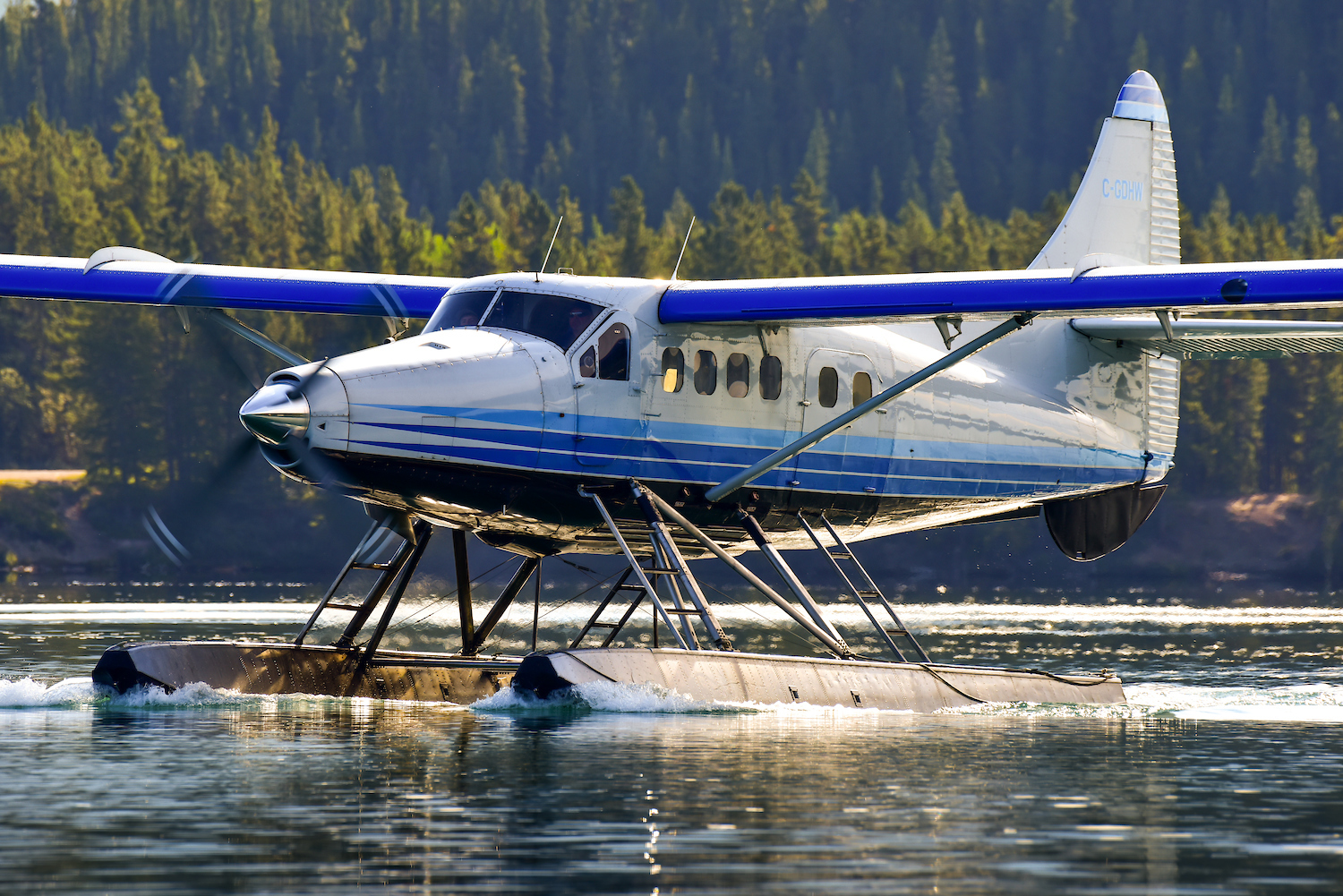
Alkan Air de Havilland DHC-3T Turbo Otter authorized

To get Mr. Huseonica and Ms. Sherwood to their very remote put-in location, Alkan Air in Whitehorse will fly them and their 500 pounds of gear in a DeHallivand Turbo Otter float plane. Insertion will be deep into the west arm of Bennett Lake. The team’s 18′ NovaCraft canoe will be securely strapped to one of the plane’s pontoons.

Yukon 2020 spot v1

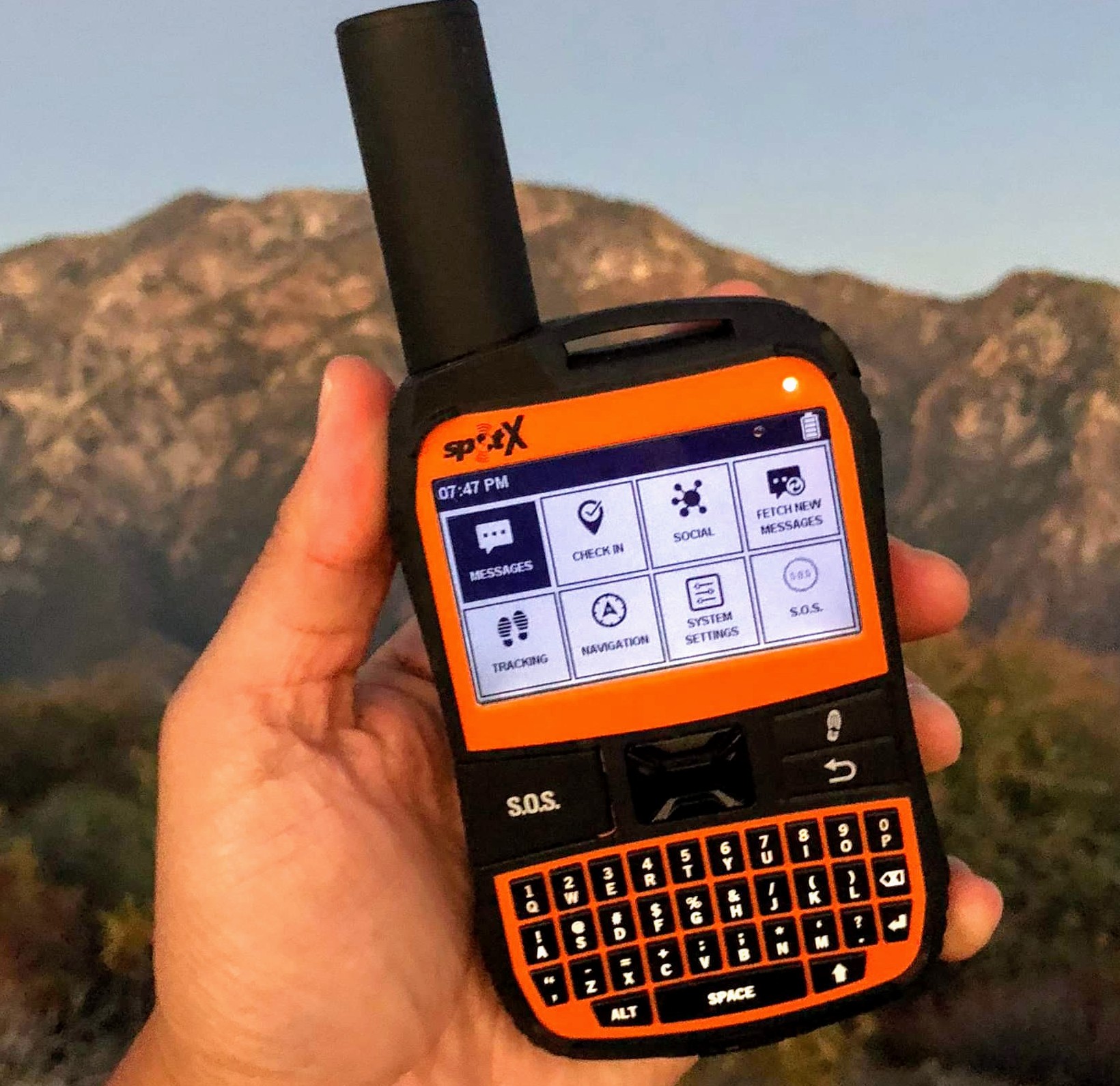
In Alaska, the team is relying on Horst Expediting to forward along United States Postal Service resupply boxes to three remote locations along the Yukon River.  Mr. Huseonica and Ms. Sherwood will then have to pull out and search for the resupply boxes. This is in keeping with the self-supported guidelines for expeditions. No one is permitted to be waiting for them along the river with supplies or to assist them in any other way. This includes portages.

A major part of their planning process was determining what items to select for their 18 resupply boxes. Each of the three resupply drops require a slightly different selection of replacement gear and foods. All this will be sorted, boxed, and mailed in early May 2020. They have to get this right because opportunities to resupply in the remote fishing villages is problematic and very expensive.

20181201_101537

On the river the team will use a mountain stove each morning to boil water for coffee, tea, and breakfast foods such as oatmeal or a freeze-dried breakfast meal. Each evening, a campfire will be built if a suitable area is found. Dinner will include fresh meats and vegetables. Fishing is an option throughout their journey, but being successful at catching fish is certainly key. When fresh foods run out, they will resort to freeze-dried options provided by Wild Zora Foods. During the day, they will have a variety of snacks to chose from. Options include vegetable and meat bars, jerky, nuts, air-dried fruit, and honey and nut bars.

For more information or to donate to the expedition’s resupply costs, please visit the official Website.

Yukon 2020™ Leaving No Trace

(April 24, 2020; Arizona USA)  The Yukon 2020™ team is excited to have outlined their plan to Leave No Trace on their expedition. They are expected to have a plan in place to demonstrate their commitment to conducting a comprehensive and professional expedition with regards to the environment. In these times of COVID-19, this is more important than ever.

Yukon 2020 branding logo v1 copy

Leave No Trace means that participants leave only their foot prints; in other words, minimal impact. This international program consists of seven principles: plan ahead and prepare; camp on durable surfaces, dispose of waste properly; take nothing; minimize campfire impact; respect wildlife; and be considerate of others. Art “Karts” Huseonica and Lauren “Lolo” Sherwood will remind each other to stay focused on the principles throughout their entire expedition.

Leave No Trave v1

This outline of Leave No Trace principles is part of the team’s planning and preparation process. Due to the length of the expedition in terms of time and distance, preparation is an all-consuming process. Leave No Trace is an important part of that process.

Considerable time will be allotted to finding suitable campsites each night that are durable for tents, cooking, and general camp life that will not leave a permanent reminder that they were there. This includes their fire pit areas. If they’re fortunate enough to find an old fire pit area, they will build their camp around that so as to avoid creating another fire pit area. Only drift wood will be burned; no trees will be cut down. If driftwood is not available, they will revert to using their small mountain stove.

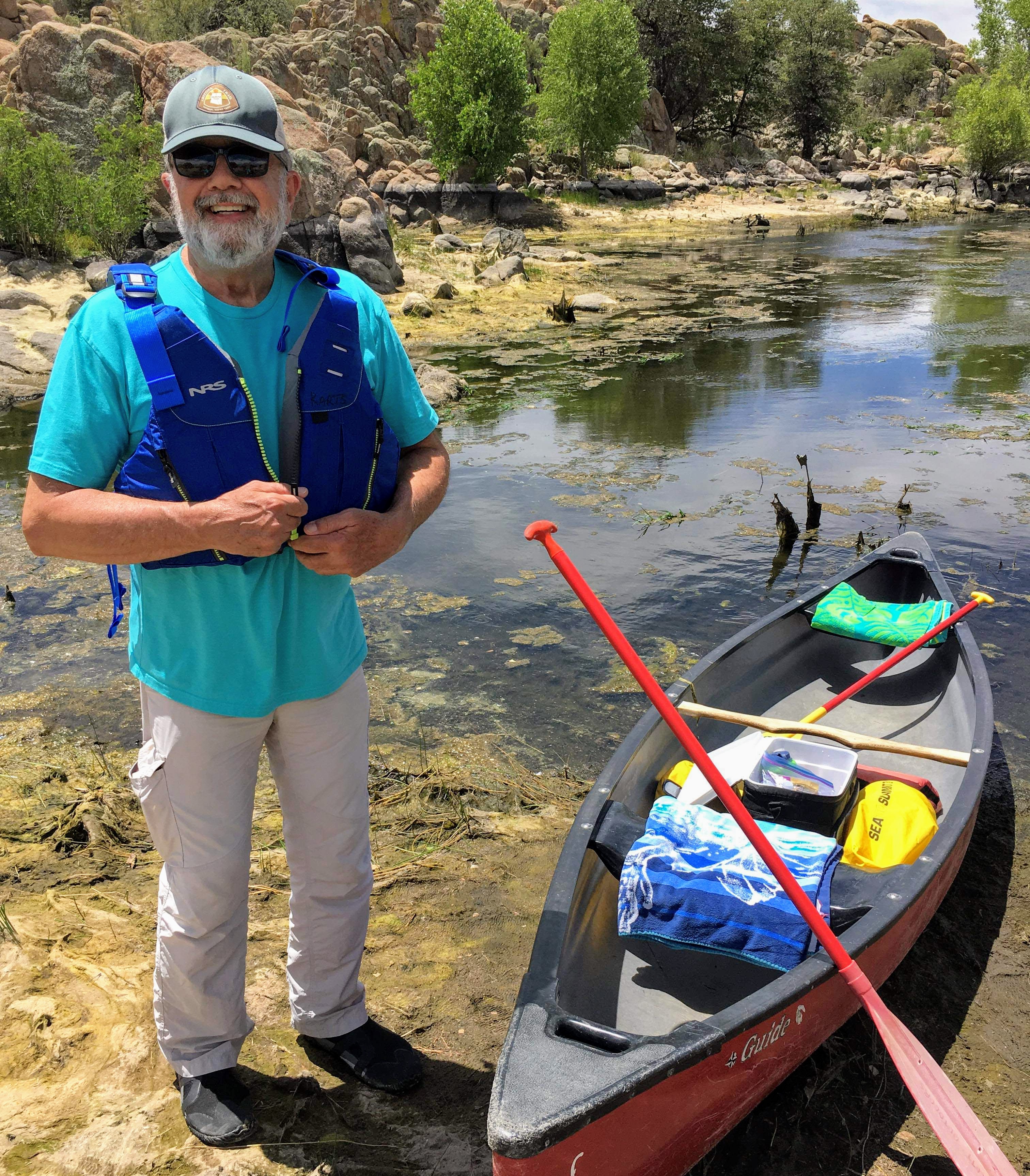
Karts with life jacket v1

Trash will be burned when feasible. Otherwise, it be packed up for proper disposal in villages if residents are agreeable to doing that. Having trash containers and room in their canoe is part of the planning and preparation step. Prior to the expedition’s start on June 4, Mr. Huseonica and Ms. Sherwood will eliminate as much plastic from their supplies as possible. They will never use any single-use plastics. The team expects to find trash along their 2,020-mile/3,250km journey and will pick up as much as they can manage and properly dispose of, especially near their camp sites.

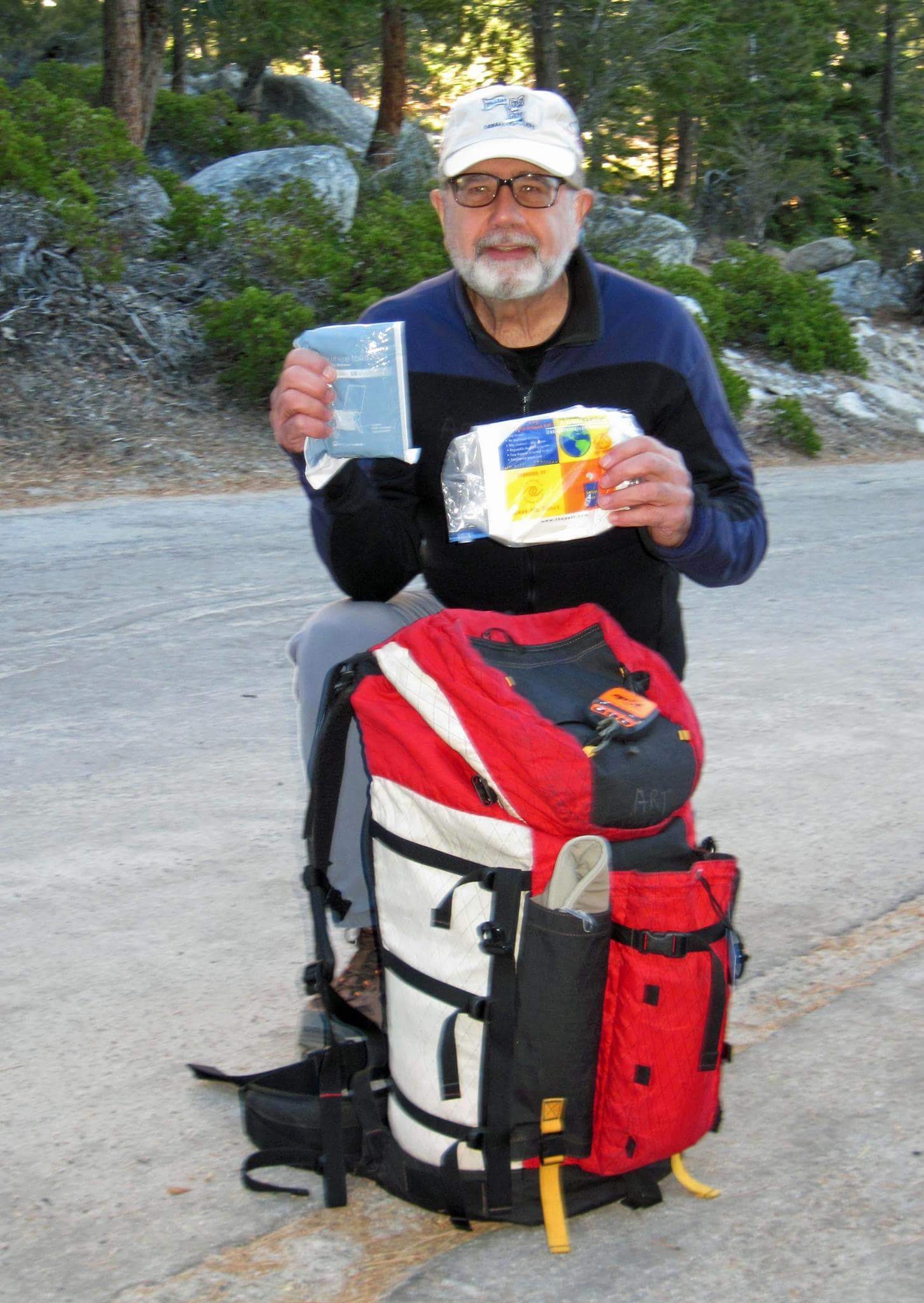
Human waste will be disposed of in cat holes, at least six inches deep and located 200 feet/60 meters from camp or water sources. Toilet paper will be burned in the cat hole.  When this is not feasible, the team will be carrying a supply of blue bags to store solid waste in and properly dispose of where appropriate.Wag bags v1

Mr. Huseonica and Ms. Sherwood will take nothing from the environment such as archaeological or historical remains, rocks, or vegetation. They will not build cairns (small piles of rocks) as a reminder they’d passed through an area. Only their foot prints will be left behind.

Being respectful of wildlife means not feeding animals, killing them except for food as permitted and licensed, or harassing them in any way. The team will have to fish throughout their expedition in order to have sufficient food and get the protein necessary to keep them healthy and strong.

Meeting people on the river will be rare. When the opportunity presents itself, interacting with others will be a unique opportunity to learn about local residents and to Lauren and Karts superstitions v1share with them stories and information about the team’s expedition. Mr. Huseonica and Ms. Sherwood will avoid interactions if either one is feeling ill, or if they suspect others are sick. When they visit isolated river towns it will be impossible to avoid people. The team will carry a supply of face masks with them at all times.

At small, remote villages, the team will be an interesting distraction to residents, and most likely bring attention to themselves. The team will provide to the Canadian government their plan for interacting with First Nations peoples in the Yukon Territory. A similar plan will be provided to the US State Department for interactions with Alaska Natives. This plan will include how and when the team will contact village leaders prior to their arrival to discuss visitation and health protocols.

For more Yukon 2020™ expedition information, sponsorship opportunities, or to donate to the resupply costs, please visit the official Website.

Yukon 2020™ Background Story

Art “Karts” Huseonica and Lauren “Lolo” Sherwood are frequently asked the question how their Yukon 2020™ expedition came to be in early 2019.
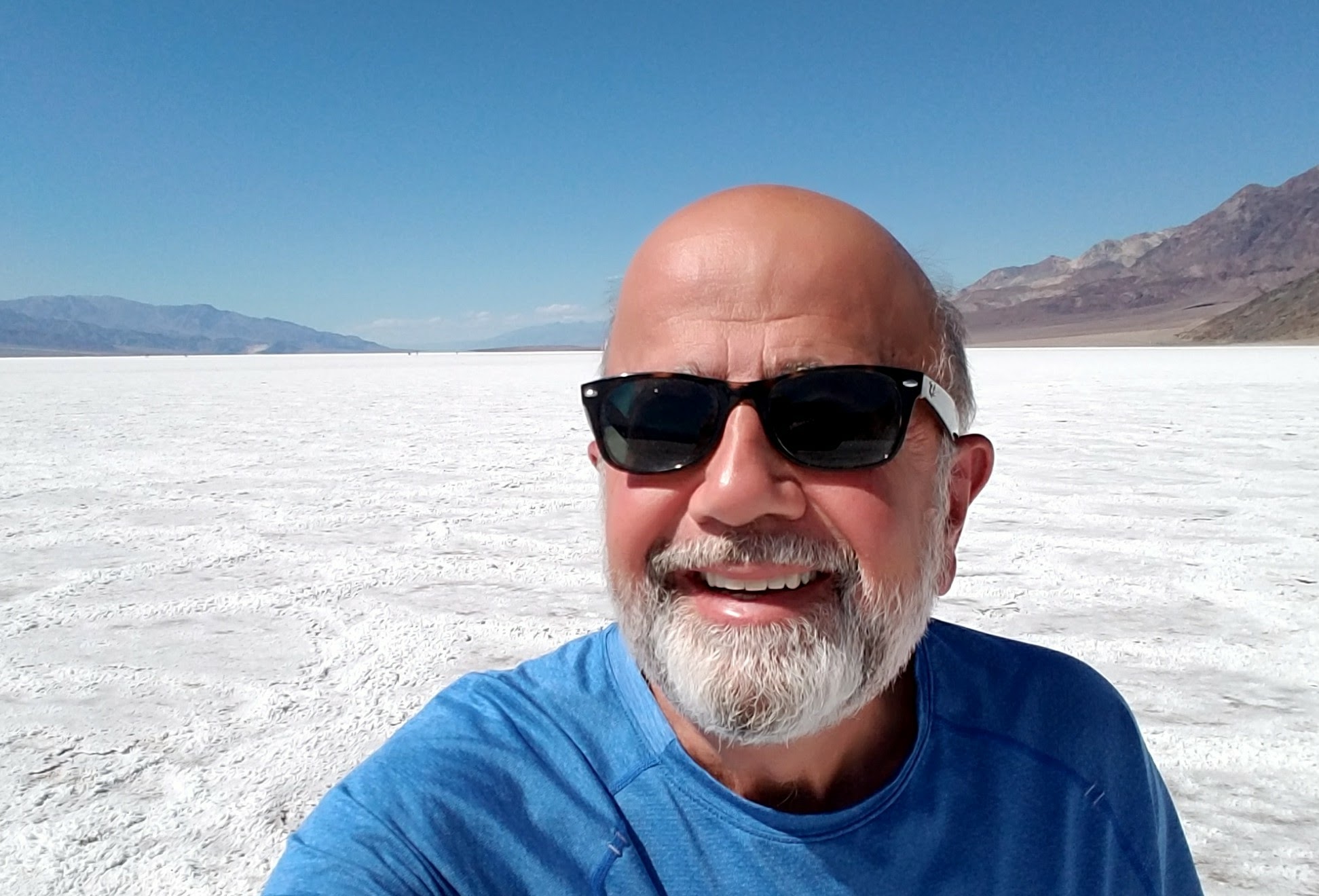
Art Huseonica Death Valley v12

Mr. Huseonica, a Sun City resident first pondered traveling the entire 2,000-mile/3,200km Yukon River two years ago. His 2016 Amazon River expedition leader and author Jacki Hill-Murphy suggested the adventure. Over time, the idea morphed several times, resulting into a Yukon River source-to-sea run in an open, Canadian-style canoe.

At first, it was to be a solo adventure, but many of Mr. Huseonica’s family, friends, and sponsors suggested that he sign on a partner. This suggestion was due to the inherent danger of taking on such a remote and challenging Lauren waterfall v1
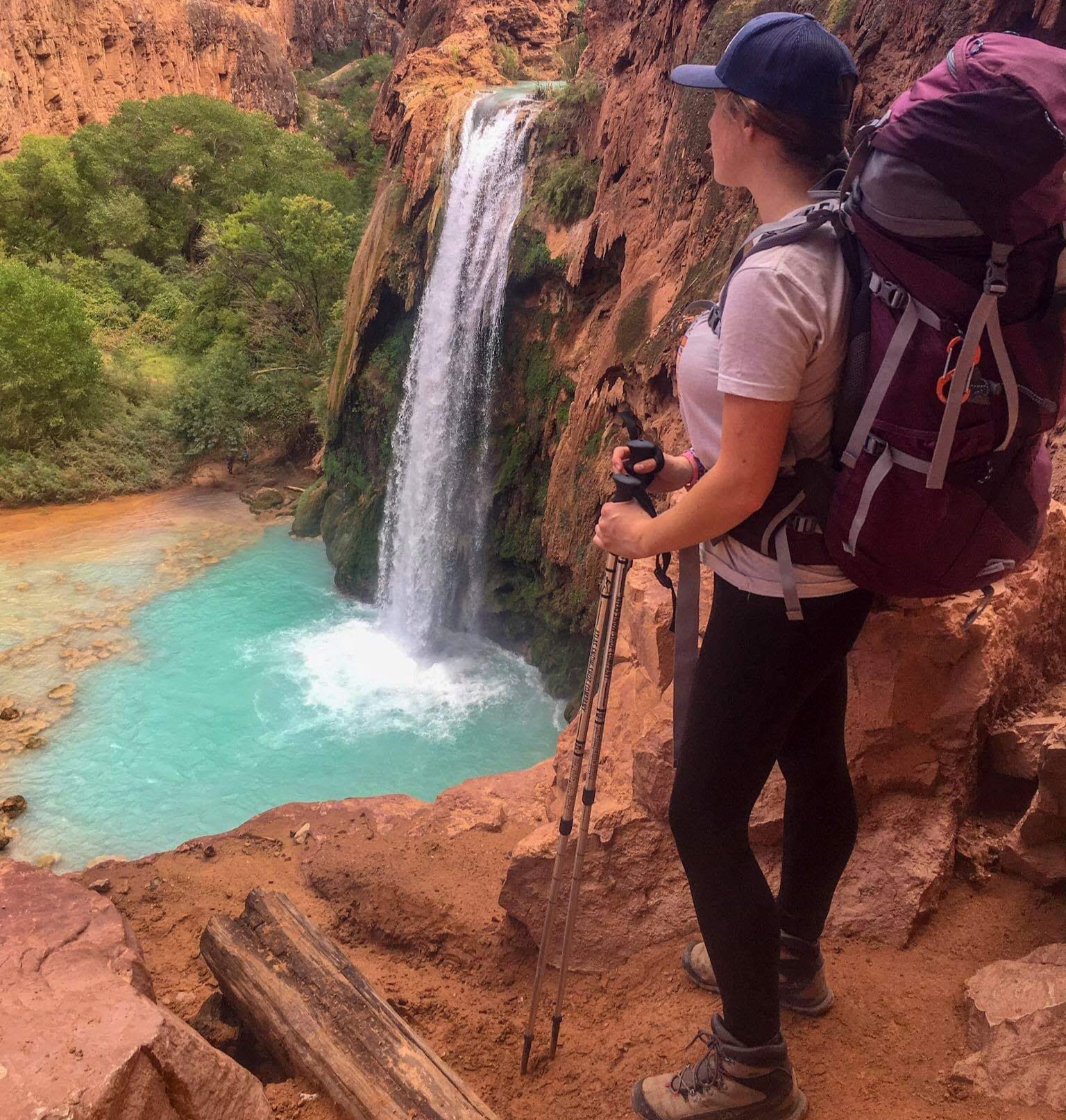
adventure alone. He personally believes that it was partially because people were getting tired of him.
After a long international search, Ms. Sherwood (pictured here) was selected to be the second paddle. A native of Prescott,
Arizona, USA she brings to the canoe an adventurous spirit, knowledge on numerous expedition subjects, a great sense of adventure, and is not afraid of a challenge. Ms. Sherwood will be the expedition’s primary drone operator.

Making this a properly documented record-attempt expedition resulted from a search of past Yukon River runs. One example was Beth Johnson’s popular Yukon River expedition whose resulting detailed book Yukon Wild is being used by the team as a valuableYukon River Miles Canyon v1 reference. Ms. Johnson and several ladies, ages 27-52, put in at Whitehorse, several miles from what today is considered the river’s source. It was certainly an epic adventure.
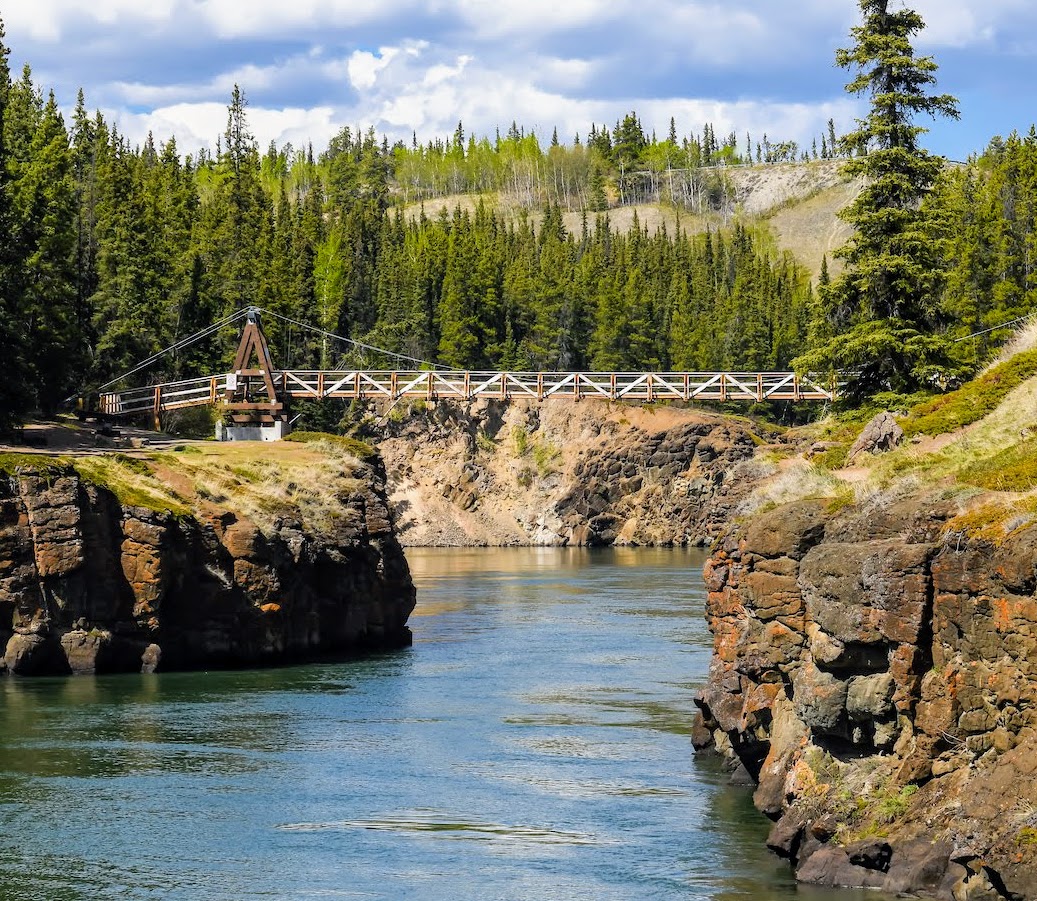
Another valuable source was the exploits of the former United States premier long distance paddler Verlen Kruger. He was older than Mr. Huseonica when he ran the Yukon, but he used heavily modified watercraft. Despite this, years after Mr. Kruger’s passing, he still holds the total respect of the team. Pictured here is Miles Canyon in the Yukon Territory (PC: Simon Blakesley)

When Yukon 2020™ starts on June 4, 2020, Mr. Huseonica will be 69. Ms. Sherwood will FB_IMG_1549545433242turn 26 when they reach the Arctic Circle in late June. To properly document a record attempt of being the youngest and the oldest to paddle the entire Yukon River, the team is required to officially declare what they are going to do, explain what they are doing while on the expedition, and then tell what they did at the completion. In addition, during the expedition, they are required to provide a trilogy of proof. This includes: a publicly accessible GPS track, documented eyewitnesses, and location selfies and videos.
Panorama of the City of Whitehorse, Yukon

Before flying to the river’s headwaters near the border with British Columbia, the team will outfit in Whitehorse, Yukon, Canada (pictured here, PC: Simon Blakesley). This is a self-supported, unassisted expedition, meaning that the team cannot accept any help along the river, and cannot use wind power in any fashion. They will mail resupply boxes to remote villages along the river in Alaska. They are required to complete portages themselves; one portage being 1 ½ miles.
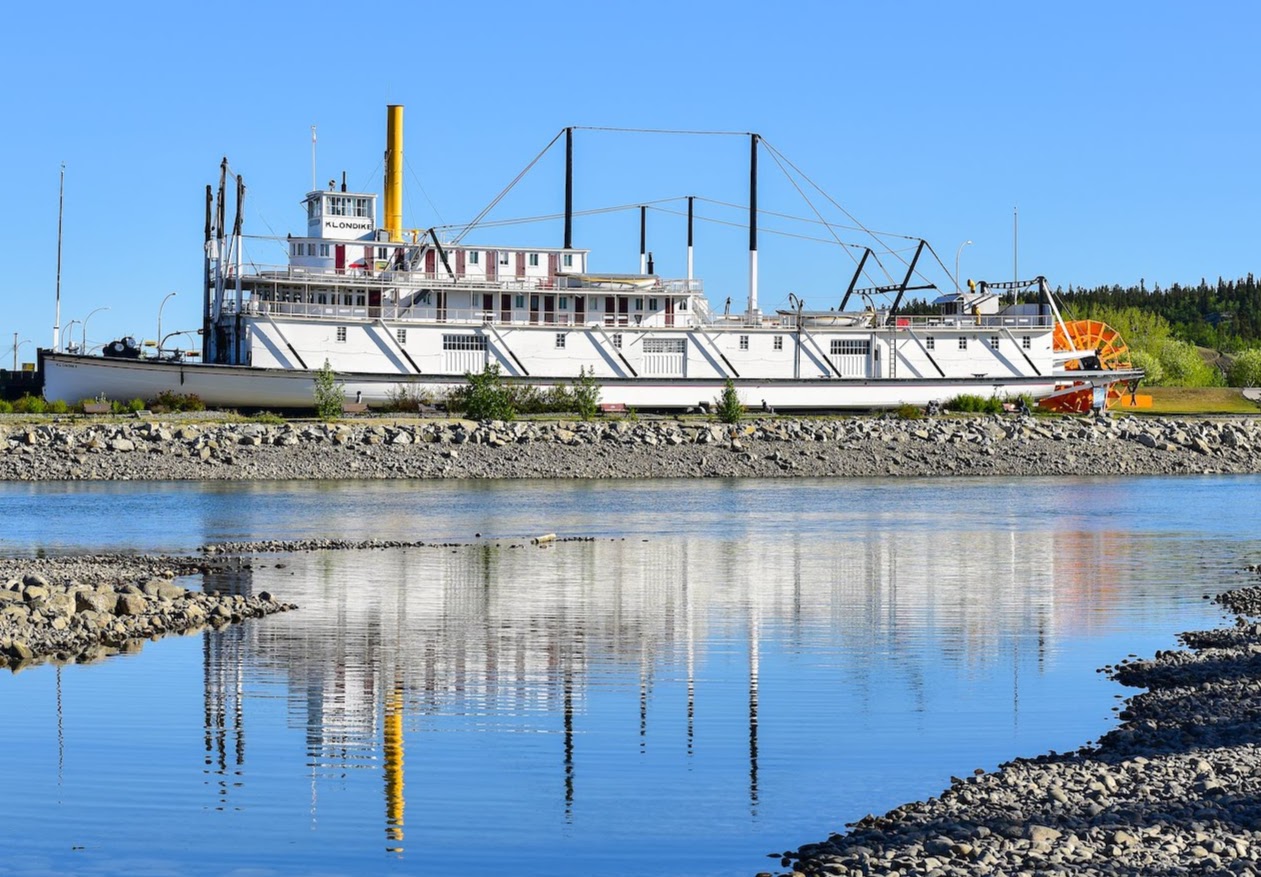
Early morning reflections on the Yukon River

Helpful input is being received from experienced Yukon River runner John “Double Tap” Van Barriger. In fact, the team anticipates seeing Mr. Van Barringer on the river this summer. Another modern-day source of information is respected extreme adventurer and Canada’s premiere long distance canoeist Martin Trahan. This includes info about river traffic and the numerous side streams and dangerous sand and gravel bars such as pictured here. (PC: Simon Blakesley)

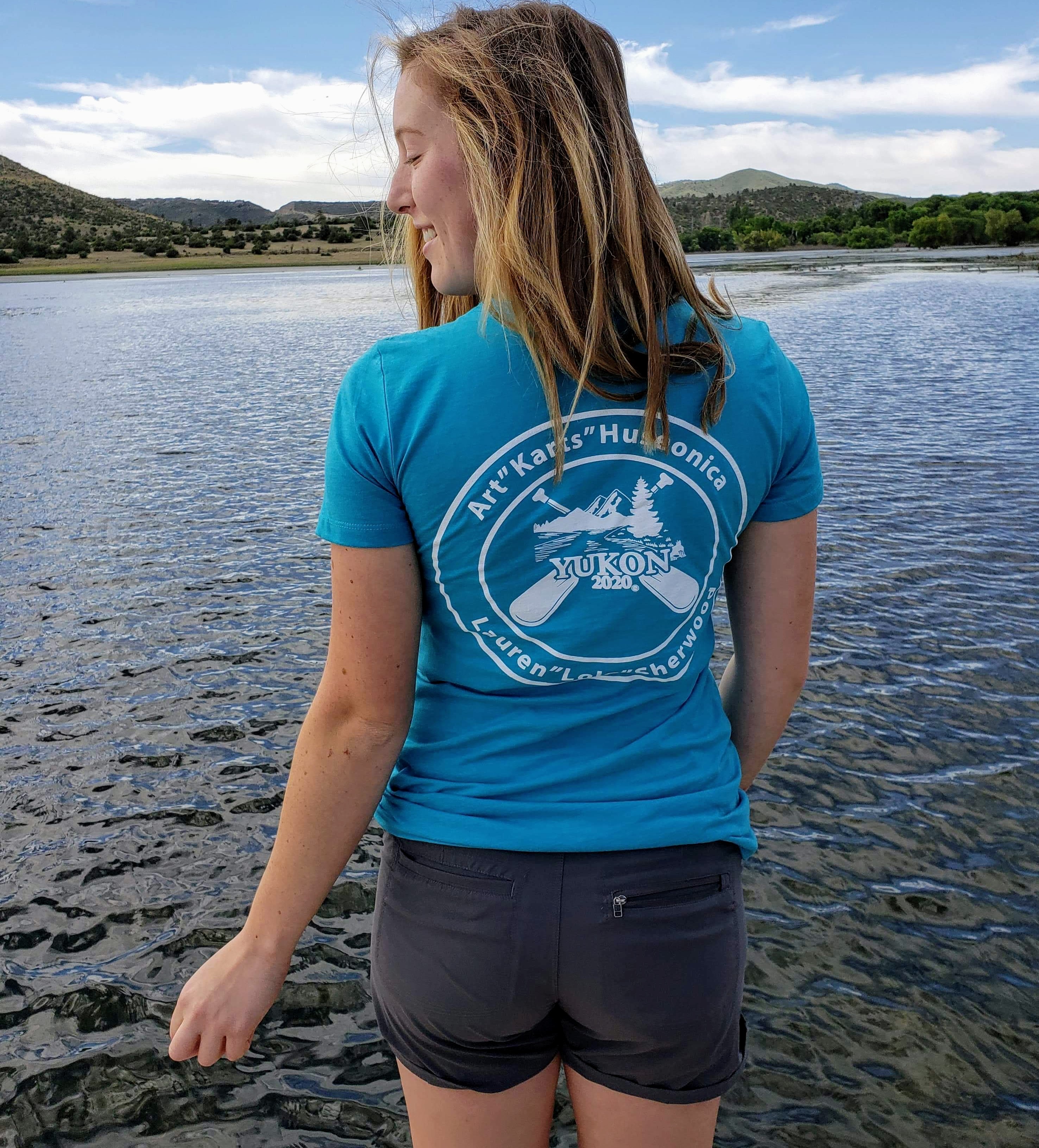
Resupply costs along the river are exorbitant. For example, a can of tuna is $8.00USD. A Lauren tshirt v4bag of chips is $12.00USD. You can provide direct financial support to the expedition and receive an expedition t-shirt (pictured here) at the team’s Yukon 2020™ Go Fund Me.
A Facebook group page and a Website will be soon published to help keep the team’s followers updated. The group page will include a link to track the team’s progress in real-time and information not found anywhere else.

Meanwhile, you can also see the above information in this article.